




The Digital Paper Trail: Using Remote Monitoring Data Logs to Mitigate Work Zone Liability
Traffic signal data logs are digital records of temporary traffic signal operations, including available equipment status information, alerts, and historical activity. Through remote monitoring platforms, these records help contractors and equipment managers review system performance, investigate operational concerns, and maintain documentation that can support work zone risk management.
For general contractors, state departments of transportation (DOTs), and rental fleet managers, reliable documentation is an important part of maintaining accountability.
When questions arise about how temporary traffic control equipment was operating, having access to recorded information can provide valuable context beyond manual inspection reports and personnel recollections.
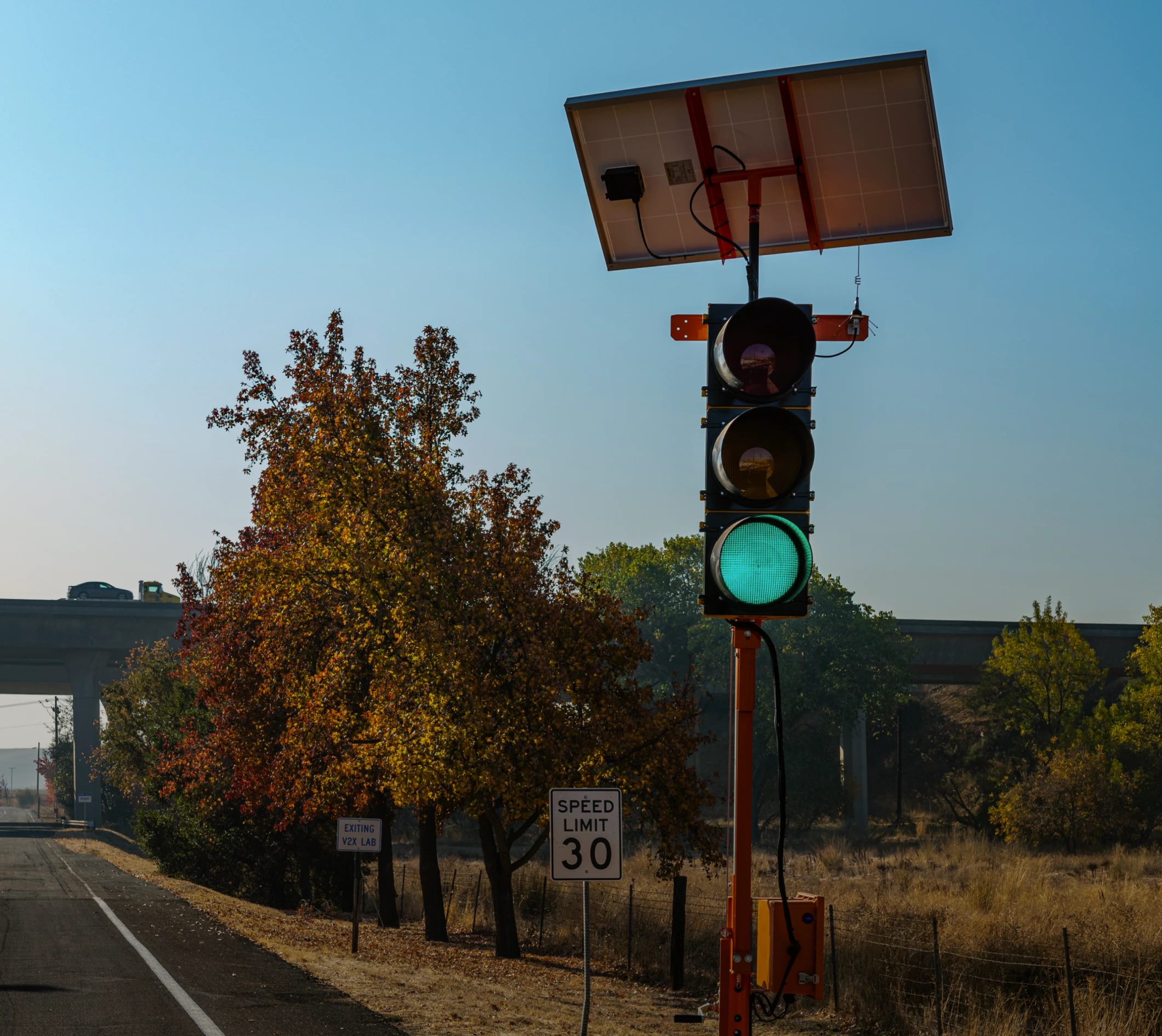
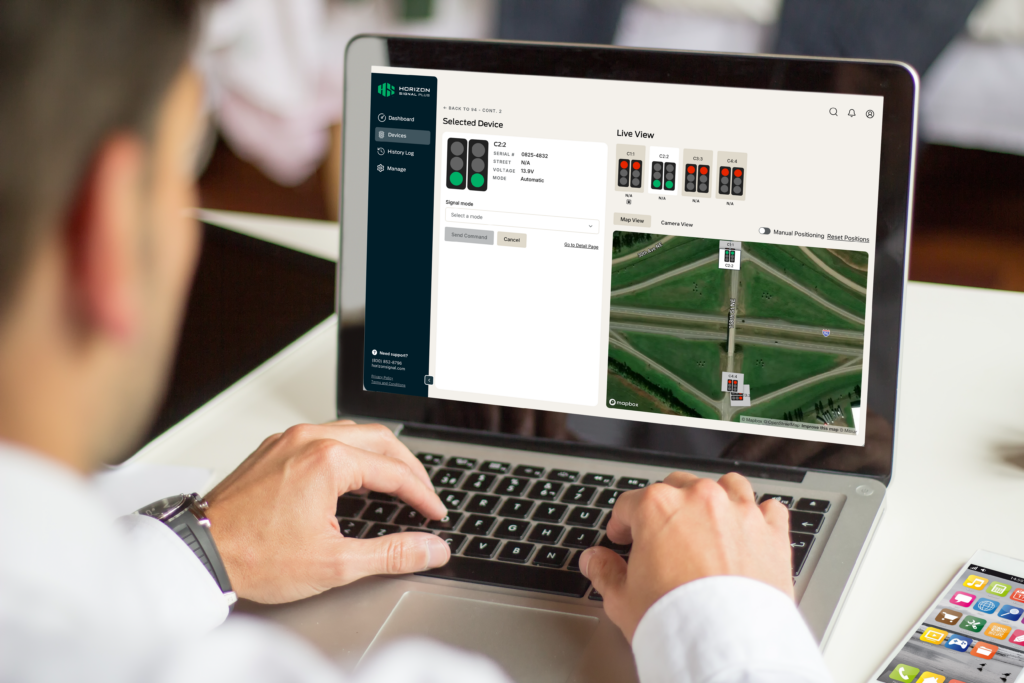
With Horizon Signal Plus, compatible equipment can be monitored through a centralized platform, giving authorized users access to supported operational information and historical records.
Work Zone Traffic Control Inspections and the Documentation Gap
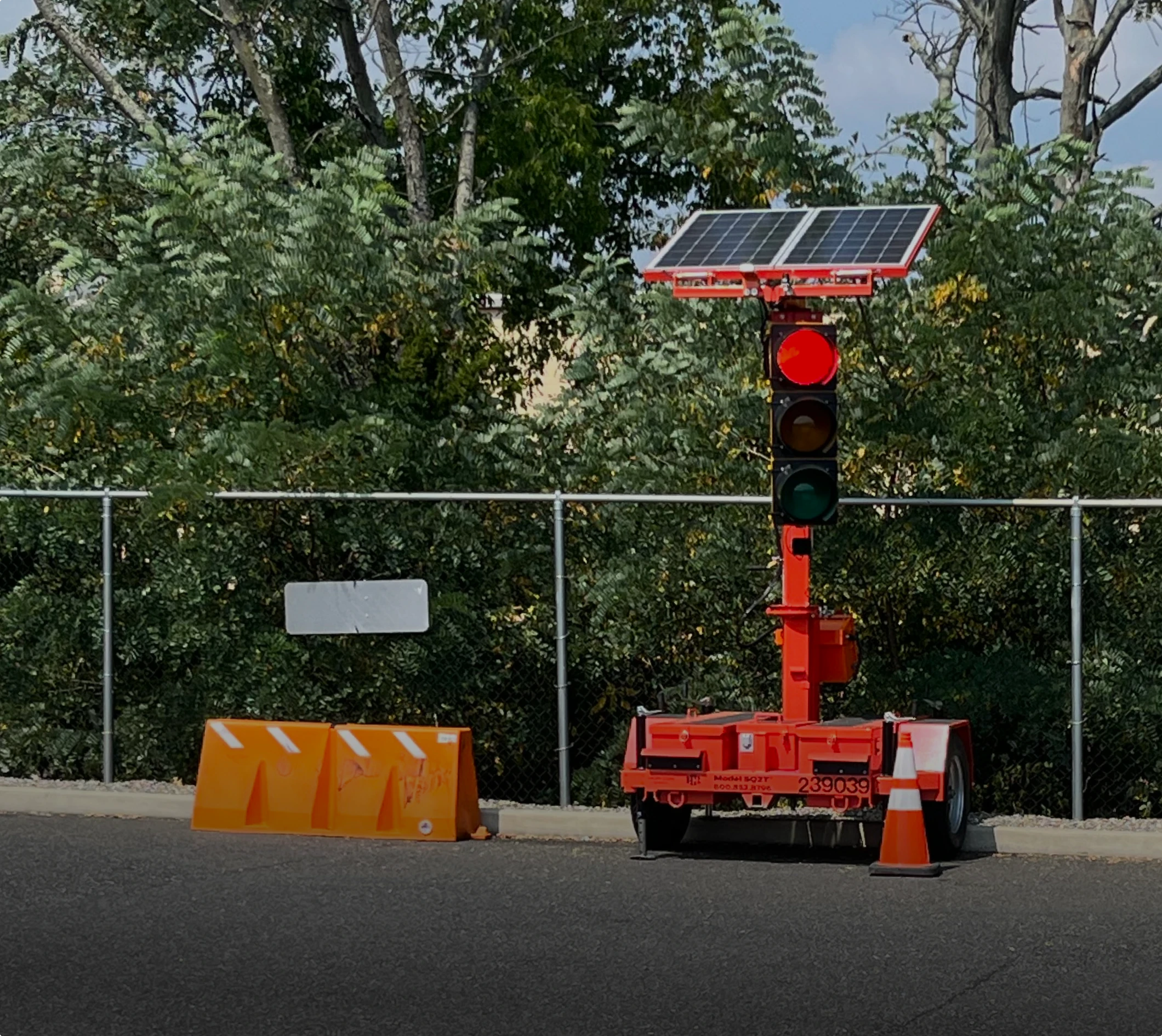
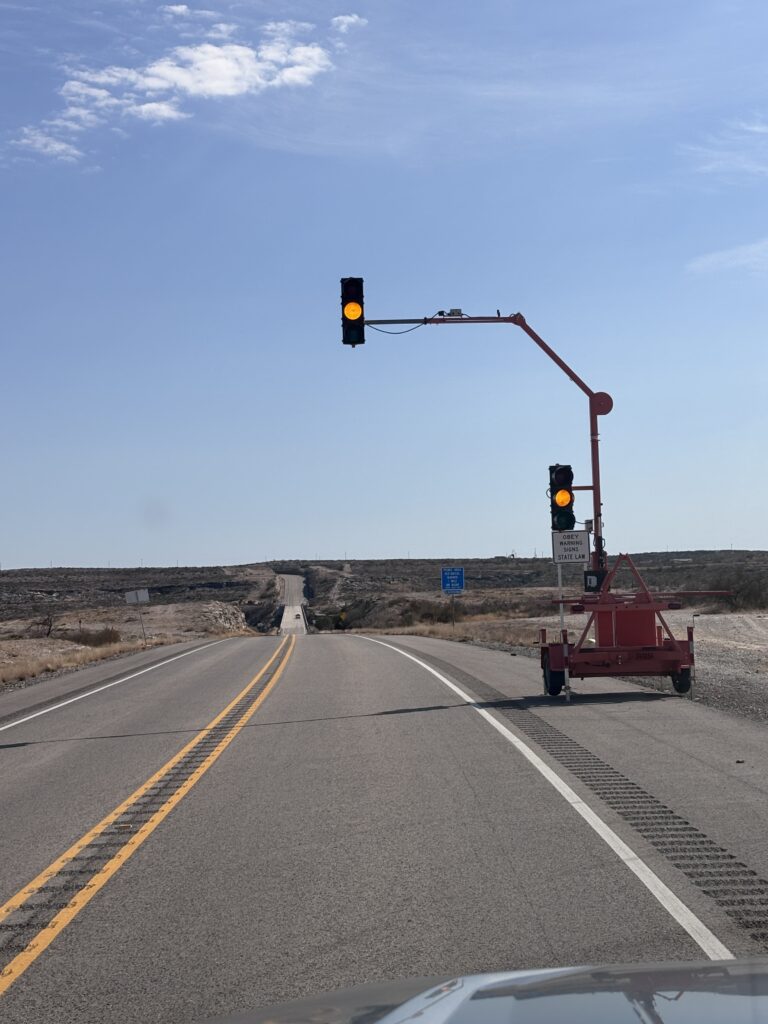
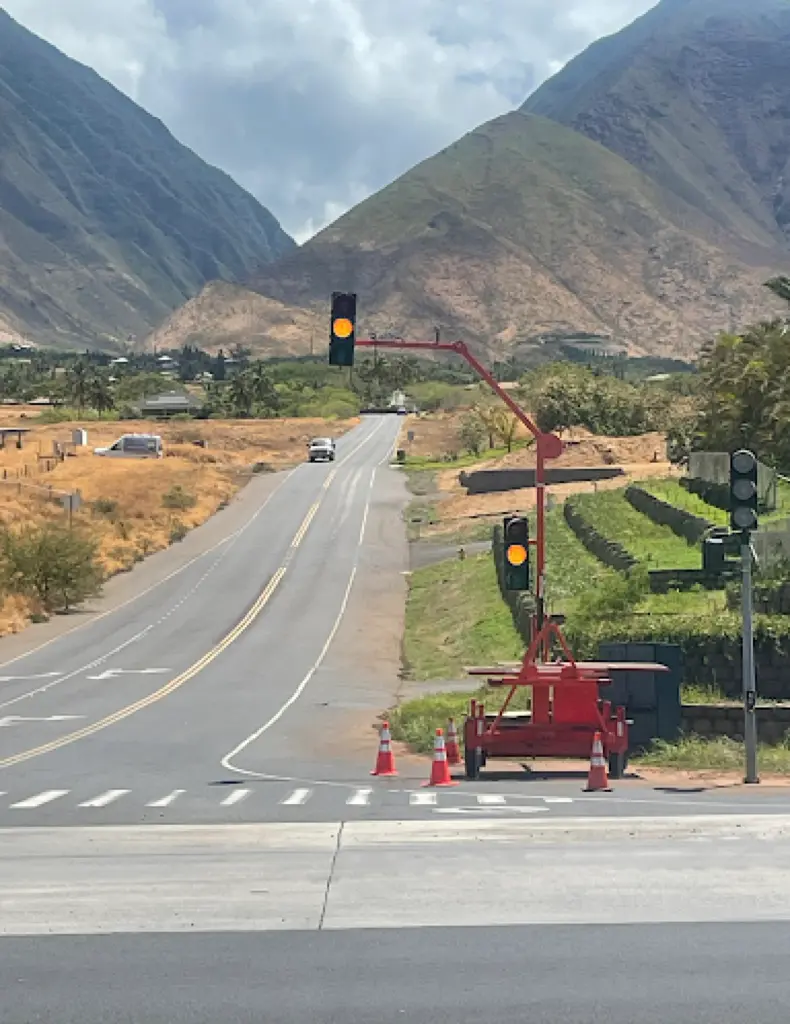
Temporary traffic signals play an important role in maintaining traffic flow through single-lane closures, bridge construction, and other roadway projects.
However, maintaining reliable equipment is only one part of effective traffic control management. Contractors must also be able to document inspections, identify potential issues, and respond when operational concerns arise.
A work zone traffic control inspection helps verify that equipment is properly installed, functioning as intended, and operating according to the approved traffic control plan.
Traditionally, inspection documentation may include handwritten forms, maintenance reports, photographs, and technician notes.
Although these records remain valuable, they generally document equipment conditions at specific moments rather than providing continuous visibility into operations.
Why Manual Inspection Records May Not Tell the Whole Story
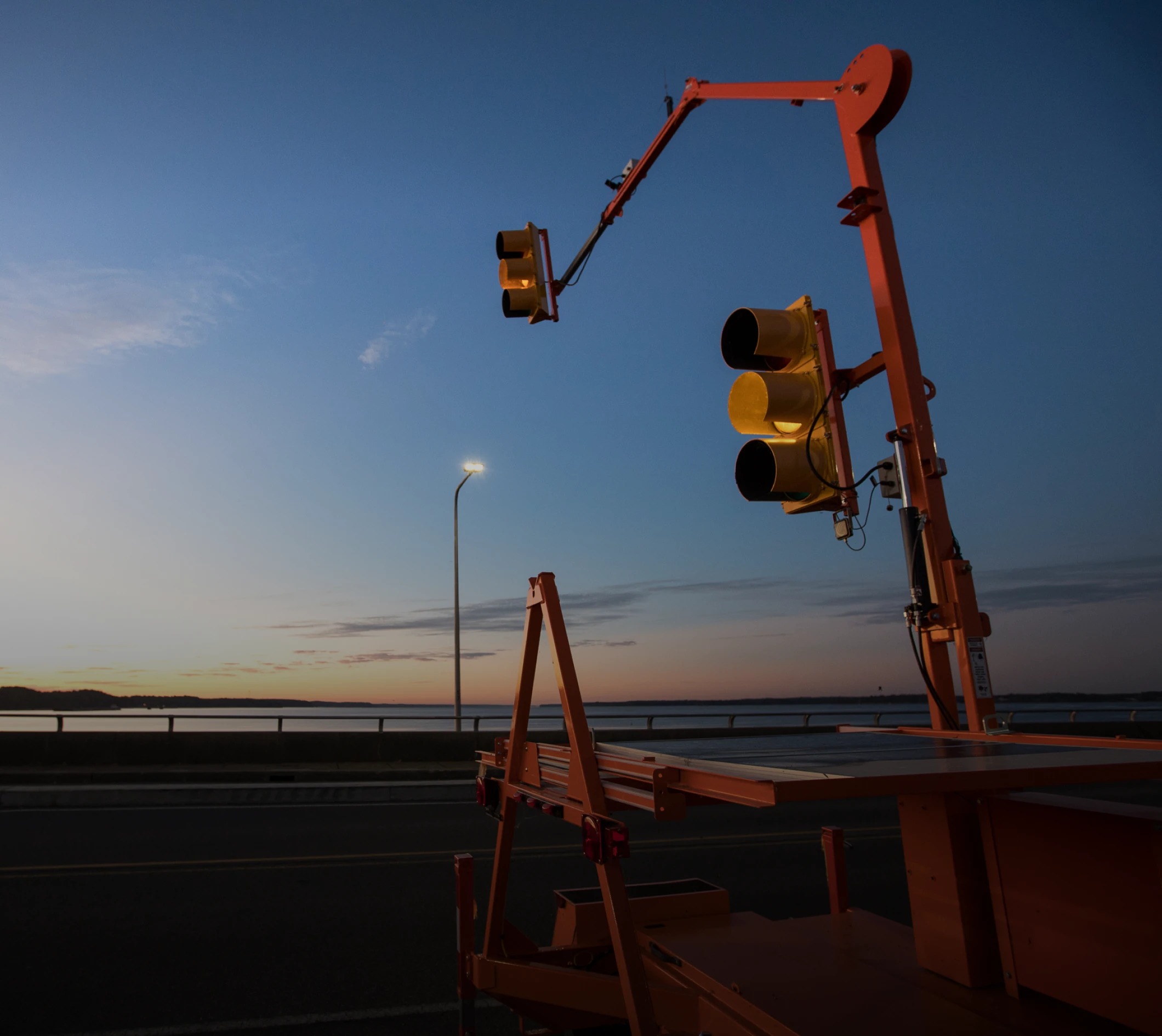
Consider a temporary traffic signal operating at a bridge construction project.
A technician completes a morning inspection and confirms that the equipment is functioning properly. Several hours later, a driver reports a potential signal malfunction.
The inspection report establishes that the equipment was checked earlier, but it may not explain what happened between the inspection and the reported issue.
This creates a documentation gap.
Common challenges include:
- Limited operational history: Paper inspection reports typically capture equipment conditions only when inspections occur.
- Delayed issue identification: Equipment faults may develop between scheduled site visits.
- Incomplete troubleshooting information: Without historical operational records, technicians may have difficulty determining when an issue began.
- Scattered documentation: Inspection sheets, service reports, and maintenance records may be stored in different locations.
- Incident investigations: Contractors may need additional information to help reconstruct equipment conditions during a reported event.
Remote monitoring helps address these challenges by providing another source of operational information.
Rather than replacing physical inspections, digital records can supplement existing documentation and provide greater visibility into equipment activity between site visits.
Building the Digital Paper Trail: What Traffic Signal Data Logs Capture
A digital paper trail is a collection of electronic records that documents equipment activity over time.
For temporary traffic control, these records can help establish when equipment conditions changed, when alerts occurred, and what operational information was available to personnel.
Through my.horizonsignal.com, Horizon Signal Plus provides supported remote monitoring and historical information for compatible equipment.
Equipment Status and Operational History
Depending on the equipment configuration and service capabilities, remote monitoring platforms may provide records relating to:
Battery voltage and power conditions
Monitoring battery voltage can help identify declining power conditions before they result in equipment interruptions. Historical information may also assist technicians in identifying recurring battery or charging concerns.
Equipment alerts and notifications
Recorded alerts can help establish when a monitored condition was identified and provide useful information during troubleshooting or maintenance reviews.
Remote management activity
Where activity history is available, records of supported programming or management actions can help personnel understand equipment changes over time.
Signal operations and controller diagnostics
Some traffic signal monitoring systems provide historical signal-state or diagnostic information. The specific events, timestamps, and level of detail available depend on the equipment and monitoring platform.
These records can be particularly valuable when managing multiple deployments across different jobsites.
The Role of Malfunction Management Systems
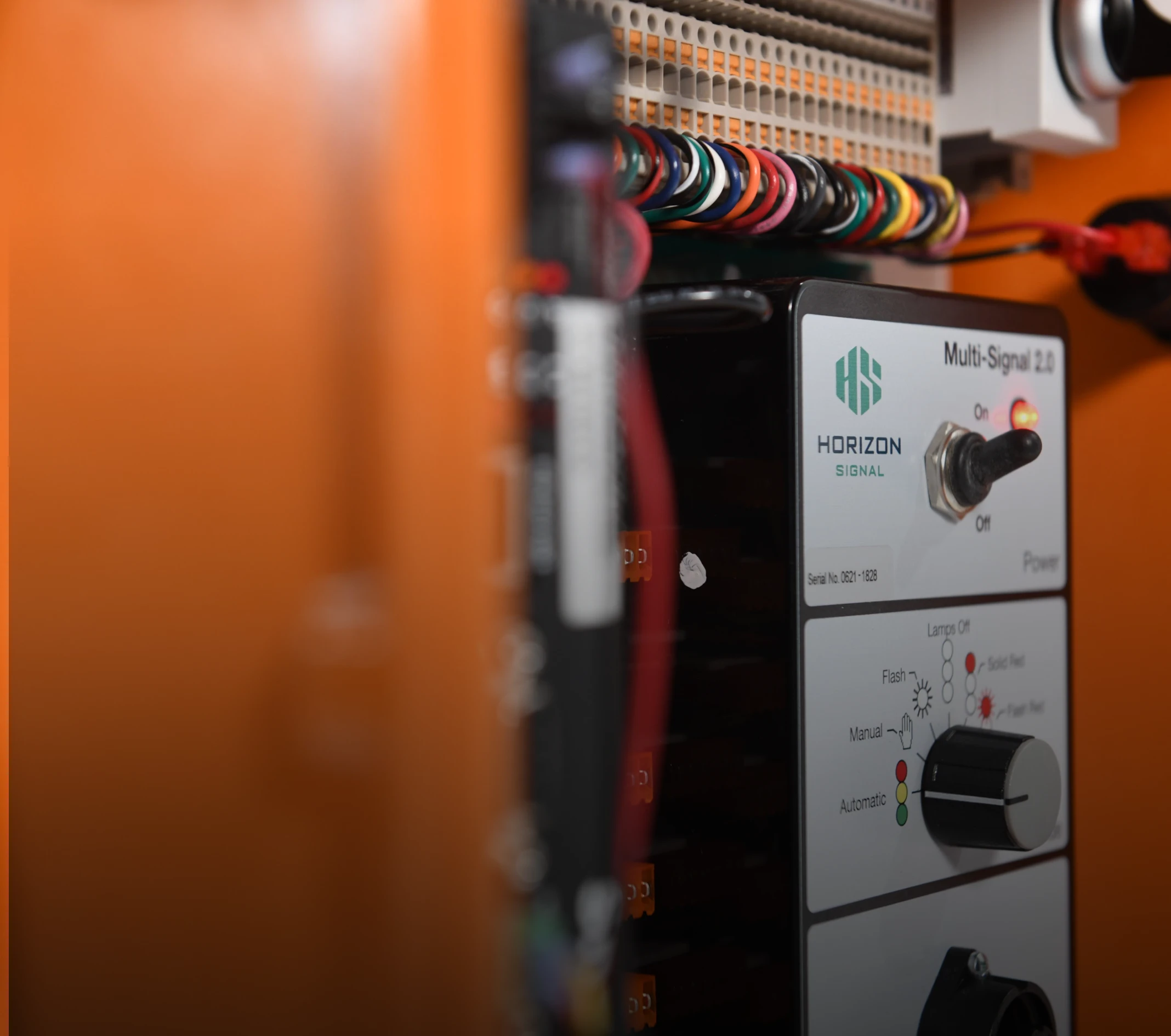
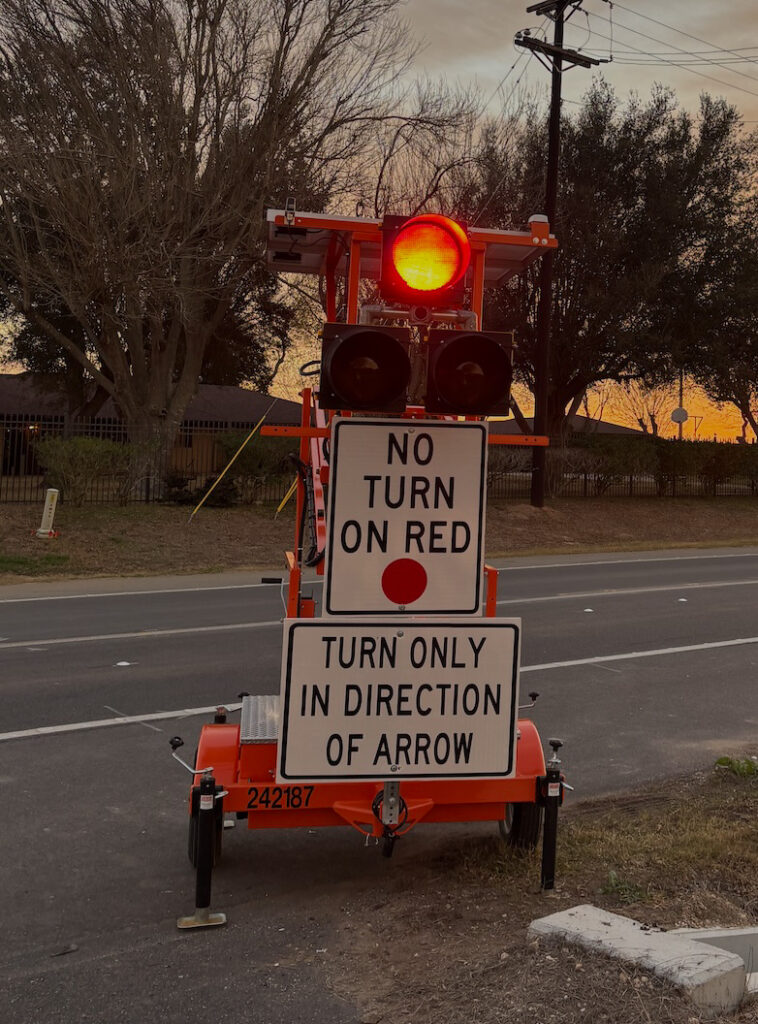
Horizon Signal’s Malfunction Management System (MMS) uses dual-processor monitoring technology to help detect conflicting signal conditions and support reliable temporary traffic signal operation.
This hardware-level protection is separate from cloud-based monitoring.
While the MMS monitors critical signal operations, remote monitoring provides additional visibility into supported equipment conditions and notifications.
Together, onboard monitoring and remote management can help contractors identify potential concerns, investigate reported issues, and maintain more complete operational documentation.
The exact MMS diagnostic events available through Horizon Signal Plus should be confirmed for each supported equipment configuration.
Why Digital Record Management Matters
Digital documentation can make historical equipment information easier to organize and retrieve.
For contractors managing multiple projects, centralized access may reduce the time spent locating records or contacting individual jobsites for operational updates.
However, digital records should be managed carefully.
Organizations should establish procedures for retaining records, controlling access, documenting exports, and preserving original data when an incident occurs.
Cloud storage alone does not make records immutable or automatically establish their authenticity.
For legal or insurance purposes, record integrity, timestamp accuracy, retention practices, and documented handling procedures may be just as important as the information itself.
Operational Example: Reviewing Signal Records After a Reported Incident
Consider a hypothetical single-lane bridge construction project using portable traffic signals to alternate traffic through the work zone.
At approximately 2:22 p.m., a collision occurs near the temporary traffic control area.
Following the incident, a driver alleges that the traffic signal displayed an improper indication.
The contractor must determine what information is available about equipment operation around the reported time.
Step 1: Identify the Incident Window
The project team documents the reported incident time, equipment identification, location, and relevant operating conditions.
For example, the team may establish a review window between 2:00 p.m. and 3:00 p.m.
Step 2: Review Available Monitoring Information
Authorized personnel access the Horizon Signal Plus platform to review available equipment history, status information, and relevant alerts.
Depending on the platform’s available logging capabilities, this information may help establish whether monitored issues were reported during the incident window.
If detailed temporary traffic signal timing records or controller-event records are required, the team must determine whether those records are available from the equipment or another approved source.
Step 3: Preserve Supporting Documentation
The contractor gathers relevant information, which may include:
- Available remote monitoring history.
- Equipment inspection reports.
- Maintenance and service records.
- Approved traffic control plans.
- Photographs and field observations.
- Available controller diagnostic information.
Preserving these materials helps create a more complete record of the equipment and work zone conditions.
Step 4: Evaluate the Findings
The collected records can be reviewed alongside witness statements, physical evidence, and other available information to develop a clearer understanding of the incident.
In this example, timestamped traffic signal data logs confirmed that the programmed red and yellow clearance intervals were operating as intended at the time of the incident. With this documentation, the contractor’s risk management team was able to provide investigators with timely technical clarification, helping resolve questions about signal operation and potentially avoiding prolonged legal disputes.
While operational records cannot independently determine the cause of a collision or establish legal responsibility, they provide valuable supporting evidence that can help contractors address concerns, demonstrate accountability, and reduce unnecessary liability exposure.
Proactive Risk Management and Horizon Signal Support
The benefits of remote monitoring extend beyond responding to incidents.
For contractors, transportation agencies, and equipment rental companies, access to historical operational information can support routine maintenance, inspection planning, and overall equipment management.
Supporting Work Zone Traffic Control Inspections
Regular inspections remain essential for verifying equipment placement, visibility, operation, and compliance with applicable requirements.
Remote monitoring can supplement these inspections by helping personnel identify equipment conditions that may require attention between scheduled visits.
For example, an alert regarding declining battery voltage may prompt a technician to investigate before the condition affects equipment operation.
Historical records can also help maintenance teams identify recurring issues and document troubleshooting activities.
For additional guidance on temporary traffic control requirements, read our 2026 MUTCD Portable Traffic Signal Compliance Guide.
Supporting Risk Management and Insurance Reviews
Reliable operational documentation can be useful when contractors review incidents, evaluate equipment performance, or respond to information requests.
Available traffic signal data logs may help risk management teams establish a timeline of monitored equipment activity and identify information relevant to an investigation.
However, digital records do not guarantee lower insurance premiums, favorable legal outcomes, or protection against liability claims.
Their value depends on the information captured, its reliability, and how it is preserved and interpreted.
The Value of Horizon Signal Support
Access to knowledgeable technical personnel is another important part of maintaining reliable work zone operations.
Horizon Signal support provides manufacturer-level assistance with equipment operation, troubleshooting, and maintenance.
When operational questions arise, factory-direct technical support can help customers better understand equipment functions and investigate potential issues.
For contractors managing multiple temporary traffic signal deployments, combining technical support with remote monitoring can improve equipment oversight and simplify routine management.
Better Documentation Starts With Better Visibility
Managing temporary traffic signals requires more than responding when something goes wrong.
It requires consistent inspections, reliable equipment, accurate documentation, and timely communication.
By combining remote monitoring, available historical records, and factory-direct technical support, Horizon Signal Plus helps contractors and transportation agencies maintain greater visibility into their temporary traffic control operations.
Explore Horizon Signal Plus to learn how remote monitoring and equipment history can support your work zone management process.