







What Is a Compliant Portable Traffic Signal Under MUTCD Part 6?
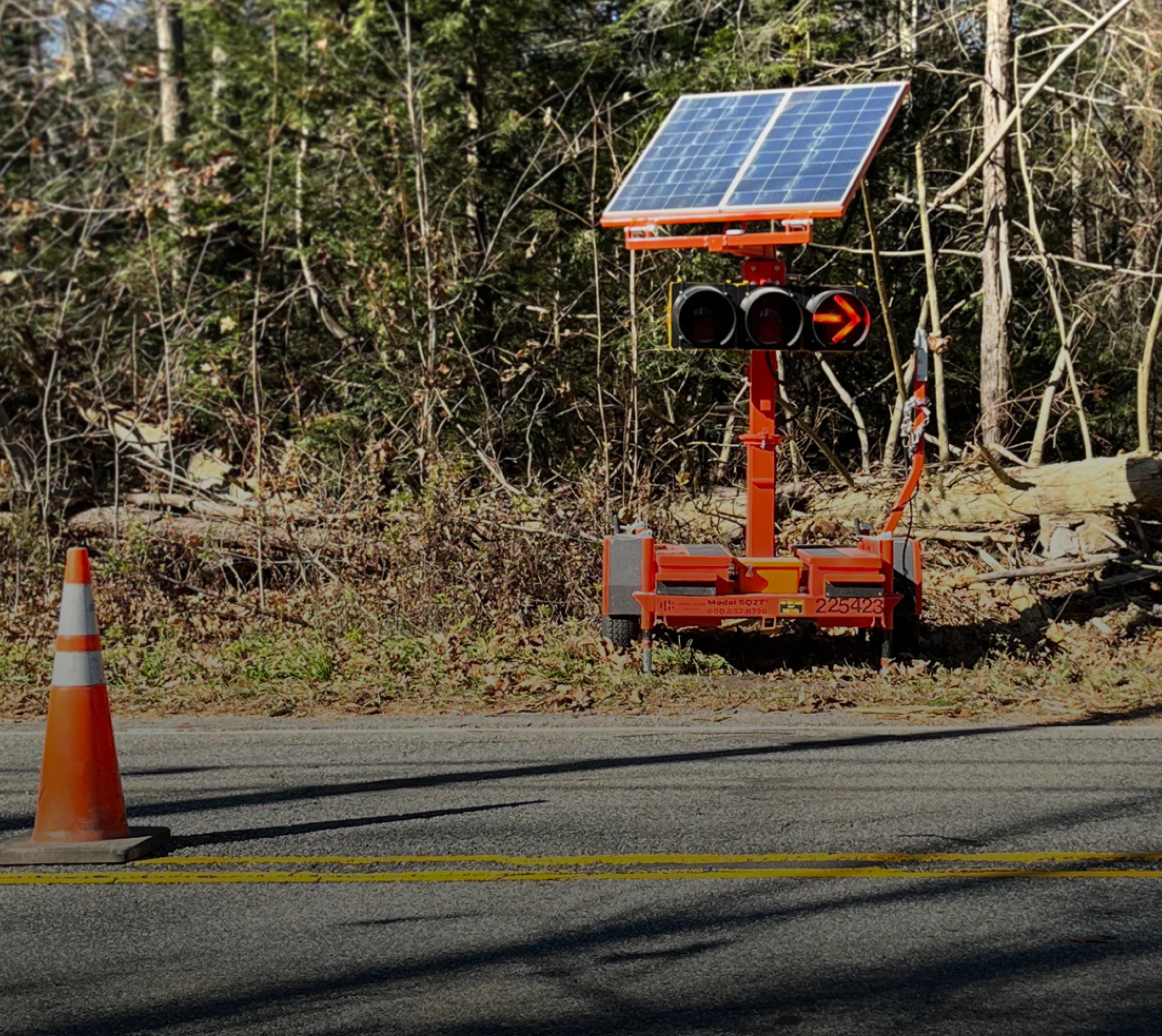
A compliant portable traffic signal must meet the requirements of MUTCD Part 6 for temporary traffic control, including proper signal visibility, placement, clearance, and fail-safe operation. Portable systems should use dual 12-inch LED signal heads for each approach, maintain required mounting clearances, and include a malfunction management system that places the signals into a safe condition when a conflict or system failure occurs.
Ready to audit your work zone equipment? Contact Horizon Signal’s Traffic Safety Engineers for a complimentary MUTCD compliance plan review or request an on-site equipment demonstration.
Key MUTCD Part 6 Requirements
Signal Heads & Visibility
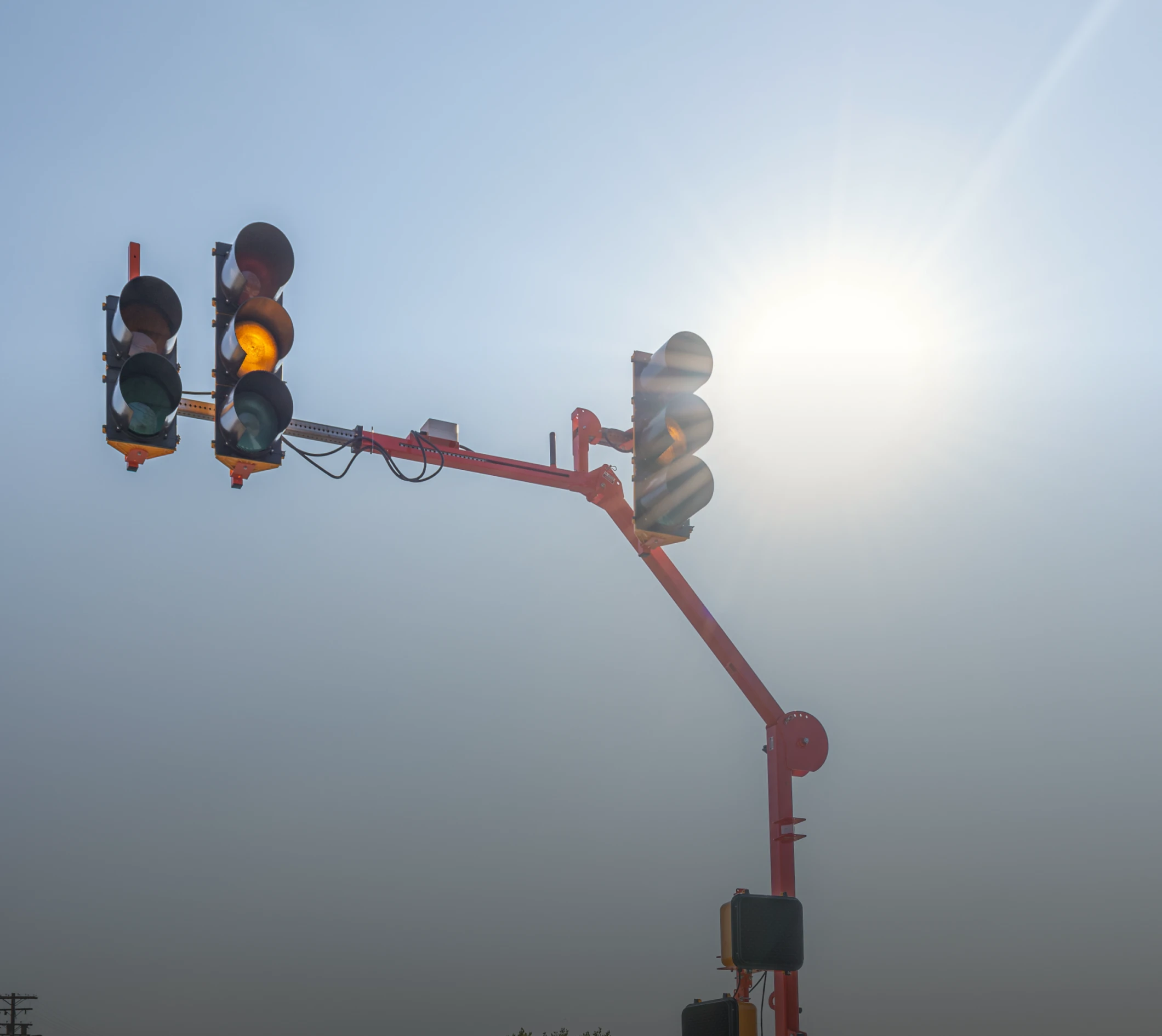
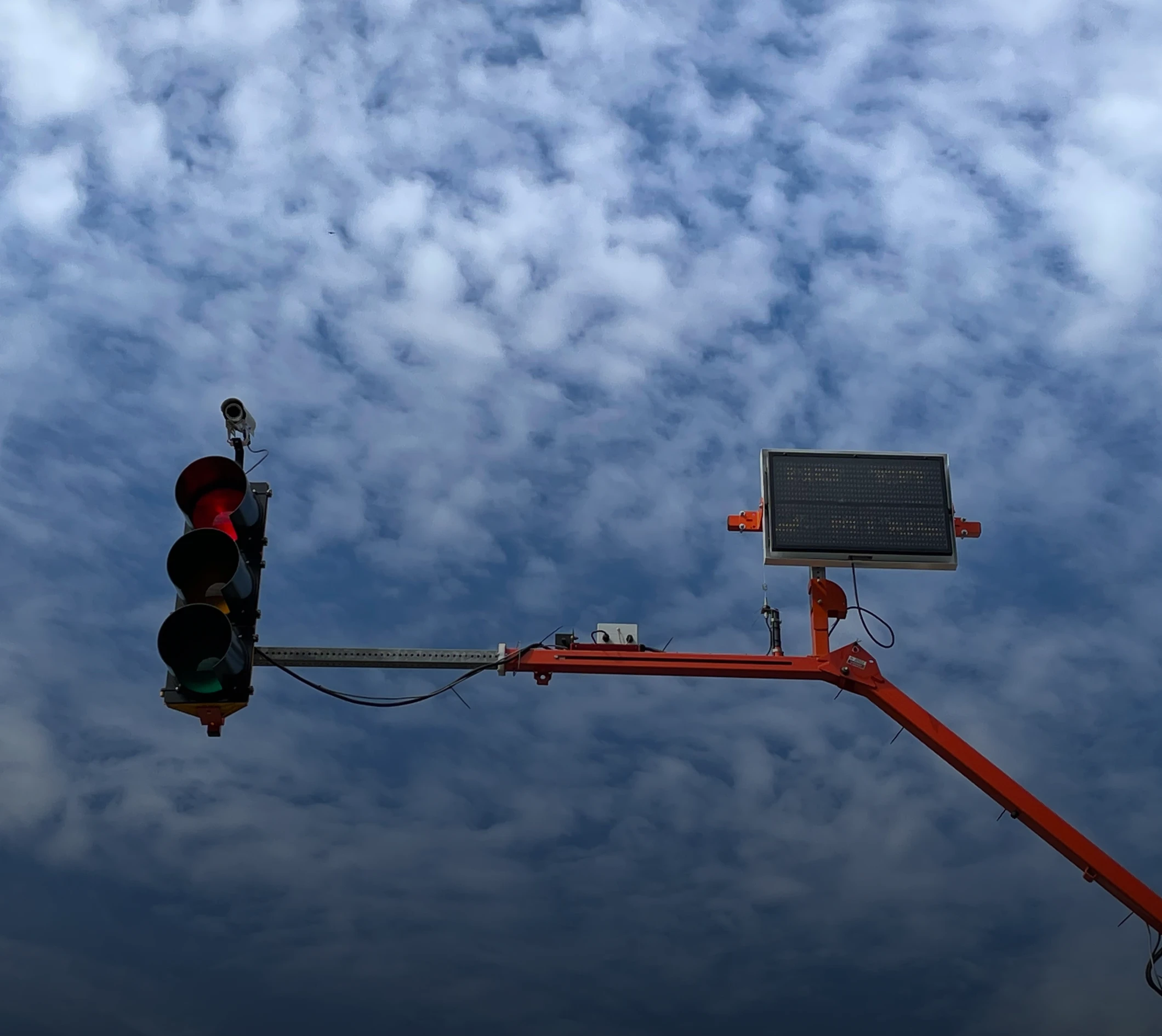
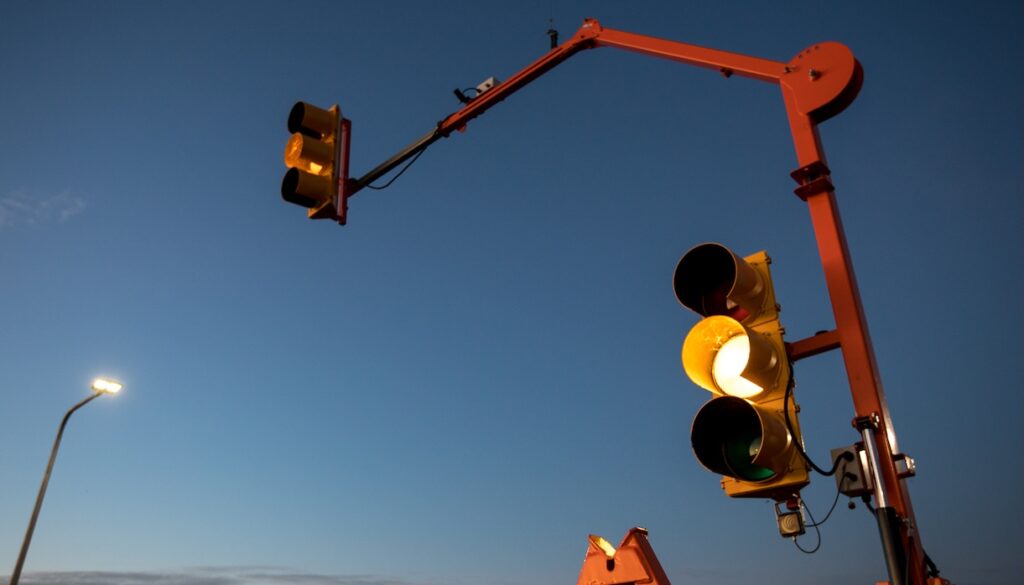
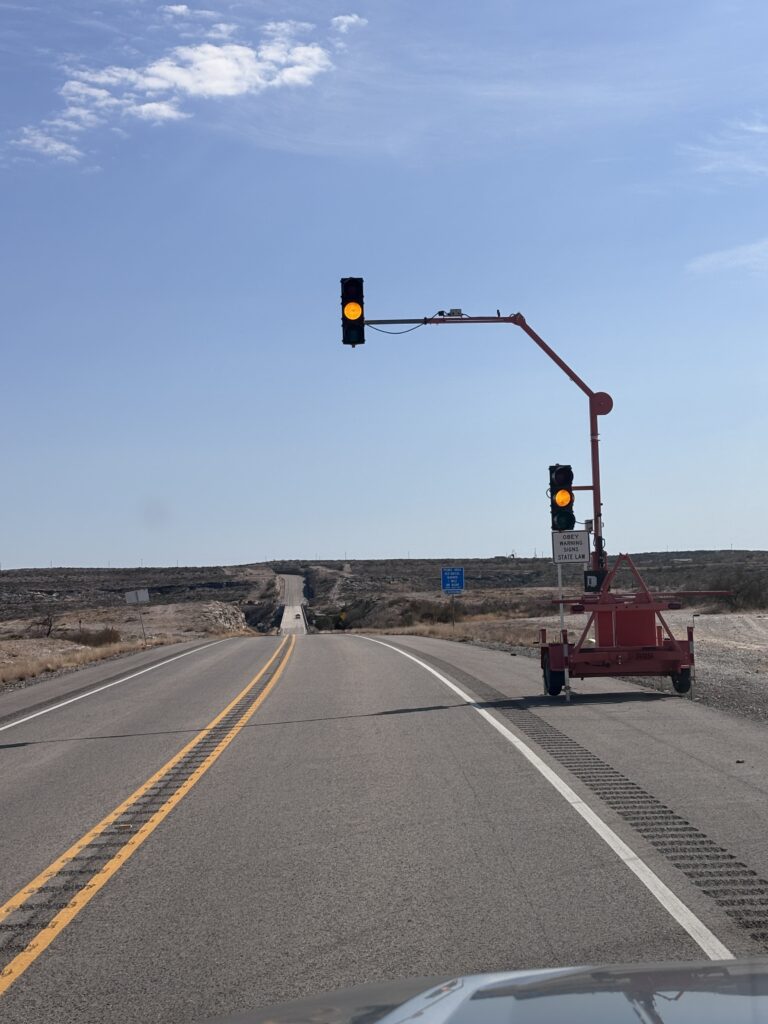
Portable traffic signals require dual 12-inch LED signal heads per approach. Clear sightlines are essential so approaching drivers can easily see the signal indications.
Mounting Height & Clearance
Roadside signal installations require a minimum mounting height of 8 feet.
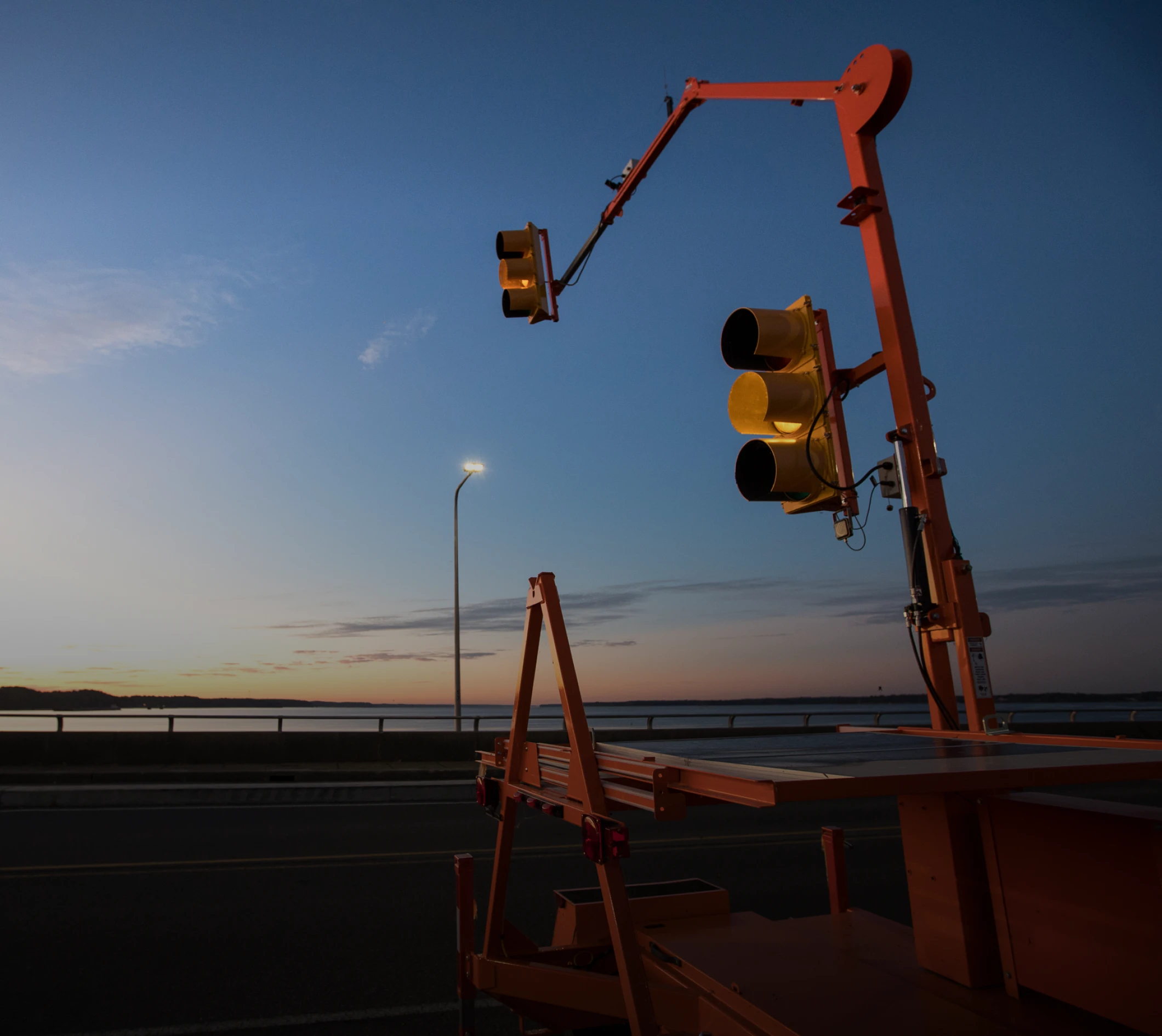
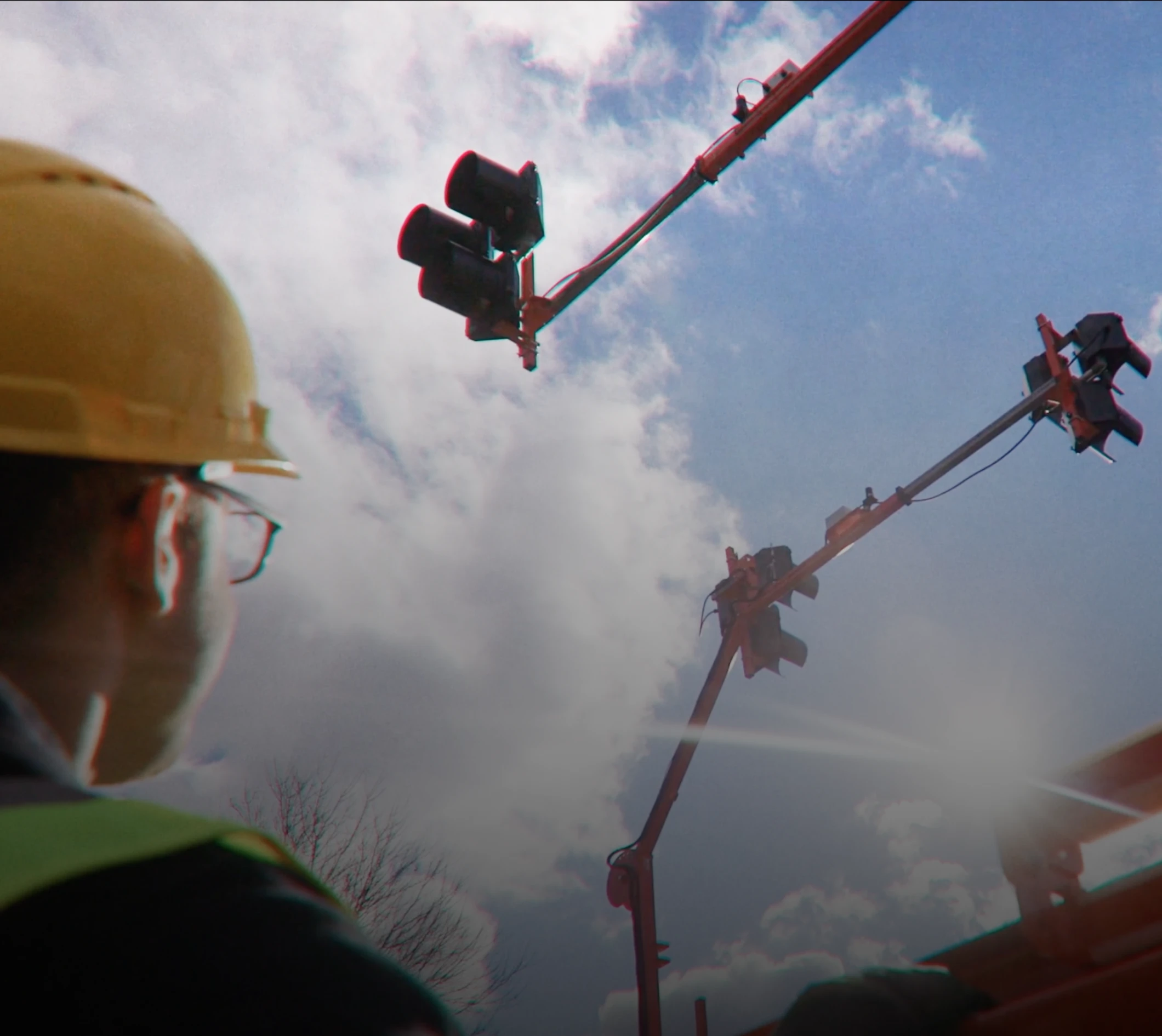
For extension arms or mast arms positioned over active travel lanes, the minimum clearance is 15 feet.
Taper & Buffer Placement
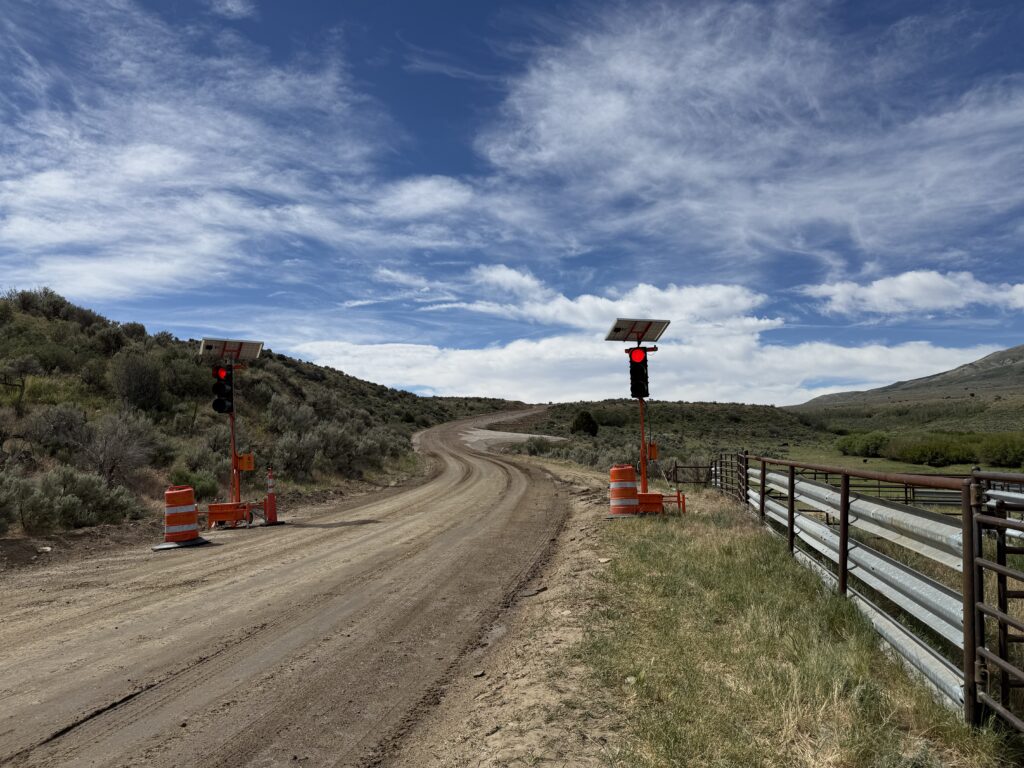
Signal placement must also account for the work zone’s taper and buffer areas.
For speeds of 45 mph or greater, taper length can be calculated using:
L = W × S
Equipment should remain clear of required buffer areas and be positioned according to the work zone’s approved temporary traffic control plan.
Why MMSs and Fail-Safe Operation Matter
A portable traffic signal needs to recognize when something goes wrong.
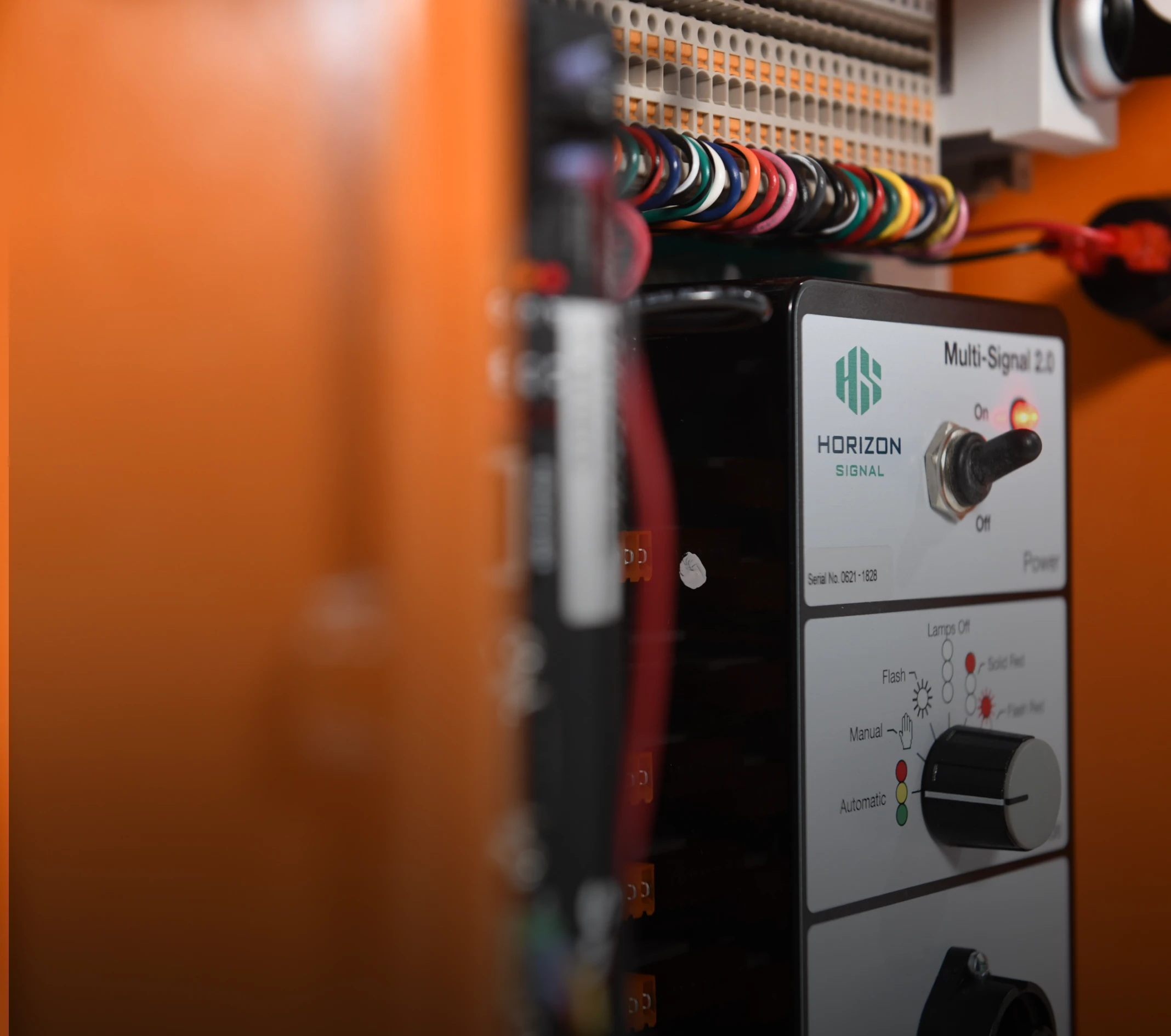
A Malfunction Management System (MMS) monitors the system for signal conflicts and helps prevent dangerous conflicting indications. In the event of a signal conflict or communication failure, the system should enter a fail-safe red flash mode.
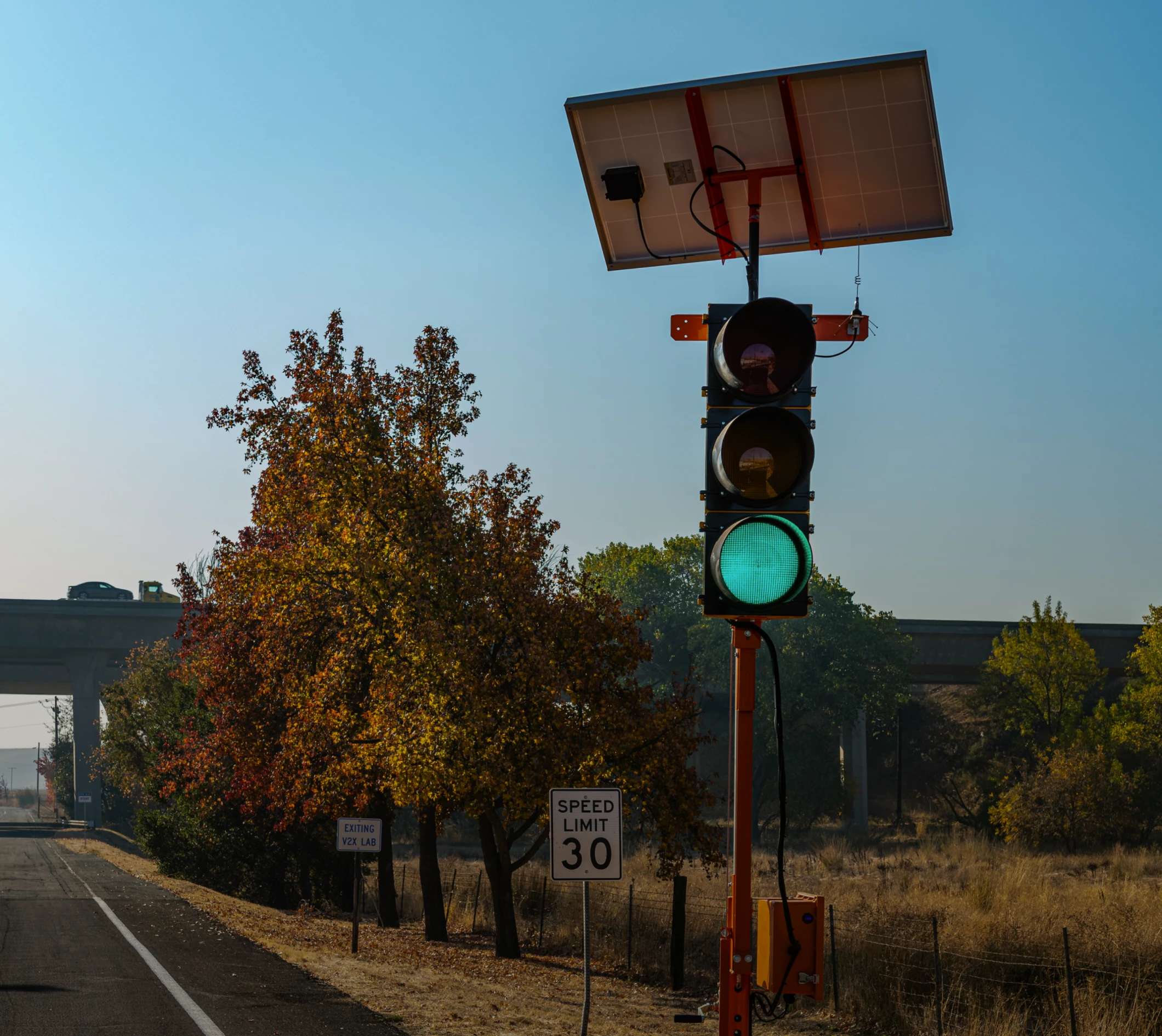
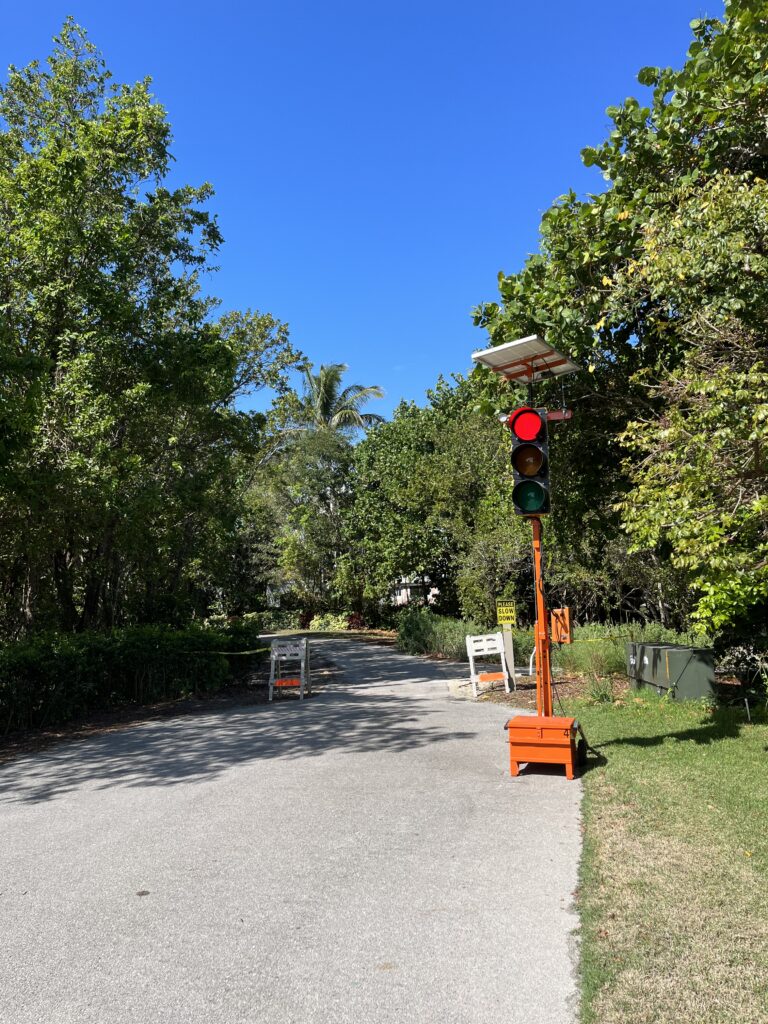
Reliable power is also essential. Solar-assisted battery systems can provide power without requiring continuously running generators, while allowing crews to monitor battery conditions in the field.
Portable Signal Inspection Checklist
Before a portable signal goes into service, verify the following:
| Inspection Point | Requirement | Pass / Fail |
|---|---|---|
| Optics & Visibility | Dual 12″ LED signal heads are installed and have clear, unobstructed sightlines. | ☐ Pass ☐ Fail |
| Placement & Taper | Signal units are properly positioned, with required taper spacing maintained for the work zone. | ☐ Pass ☐ Fail |
| Overhead Clearance | Signal equipment maintains at least 15 ft of clearance over traffic lanes where overhead mounting applies. | ☐ Pass ☐ Fail |
| Radio Link & Failsafe | RF communication is connected and the Malfunction Management System (MMS) is active and monitoring for conflicts. | ☐ Pass ☐ Fail |
| Power Integrity | Solar array is properly positioned and the battery system has adequate charge for operation. | ☐ Pass ☐ Fail |
Choosing Equipment Built for the Work Zone
| Product | Spec/Rating | Footprint | Best Application |
|---|---|---|---|
| Horizon SQ3TS | Exceeds NEMA TS-5 Type TR1 specifications; 100-mph wind load; 30+ day battery runtime with 600W solar | 83.75″ × 85.2″ | Long-term projects, high-speed roadways, multi-lane work zones, and demanding conditions |
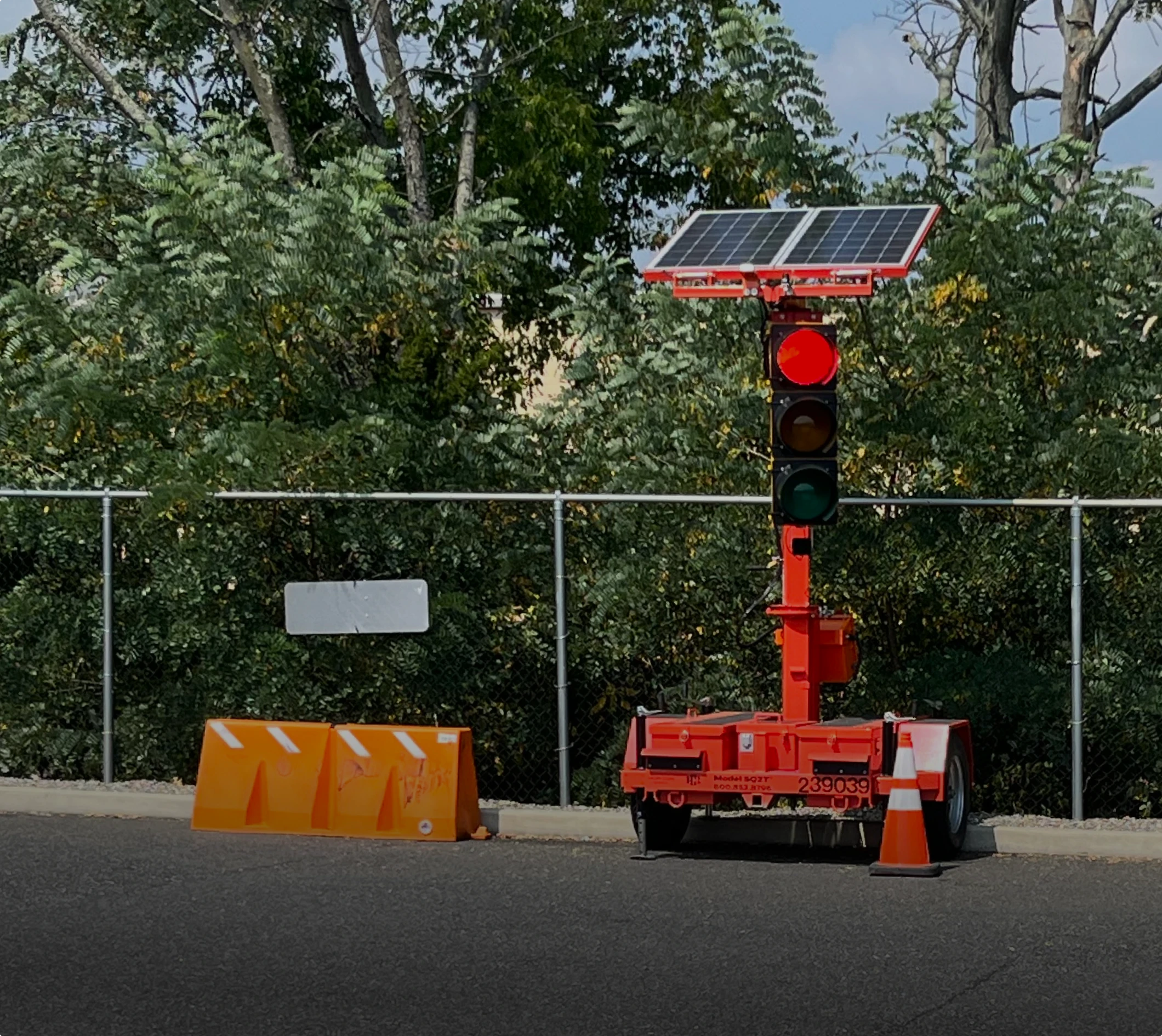
| Horizon SQ2 | Exceeds NEMA TS-5 Type TR2 specifications; 7+ day battery runtime; 12″ LED indications | 31″ × 25.5″ | Short-term lane closures, utility work, parking garages, and confined work zones |
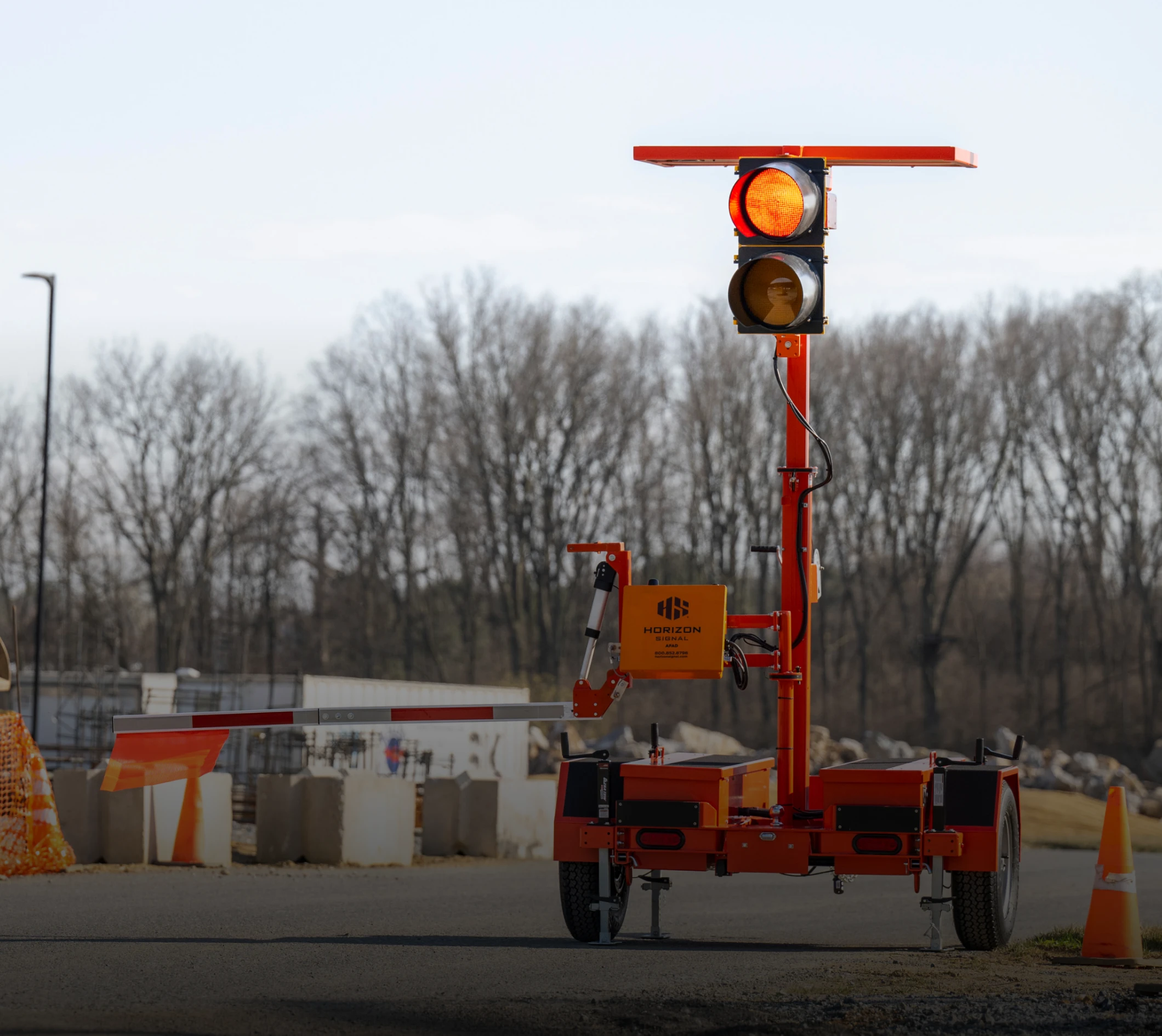
| Cart-Mounted AFAD | MUTCD compliant; 12″ LED indications; 6′ reflectorized gate arm; up to one week of battery runtime | 31″ × 25.5″ | Short-term flagging operations where crews need to control traffic from outside the active travel lane |
| Trailer-Mounted AFAD | 7–10 days of flagging on a single battery charge; rotating gate arm and independently rotating indications | 67″ × 57.9″ | Longer-duration flagging operations requiring a more durable, towable platform |
| Horizon Signal Plus | Remote monitoring and management capabilities, including signal operation, system status, and alerts | Software-based platform | Projects requiring remote visibility, monitoring, and management of compatible Horizon equipment |
Build Compliance Into Your Work Zone
Jobsite delays, failed inspections, and safety risks are rarely the result of a lack of effort. They can happen when equipment or setup fails to meet the requirements needed for safe operation in changing work zone conditions.
Ensuring your portable traffic signals are properly configured and aligned with MUTCD Part 6 and applicable NEMA standards helps protect your crews, keep projects moving, and address compliance before the inspector arrives.
Ready to review your work zone equipment? Contact Horizon Signal to discuss your portable signal setup, compliance requirements, or equipment needs.