

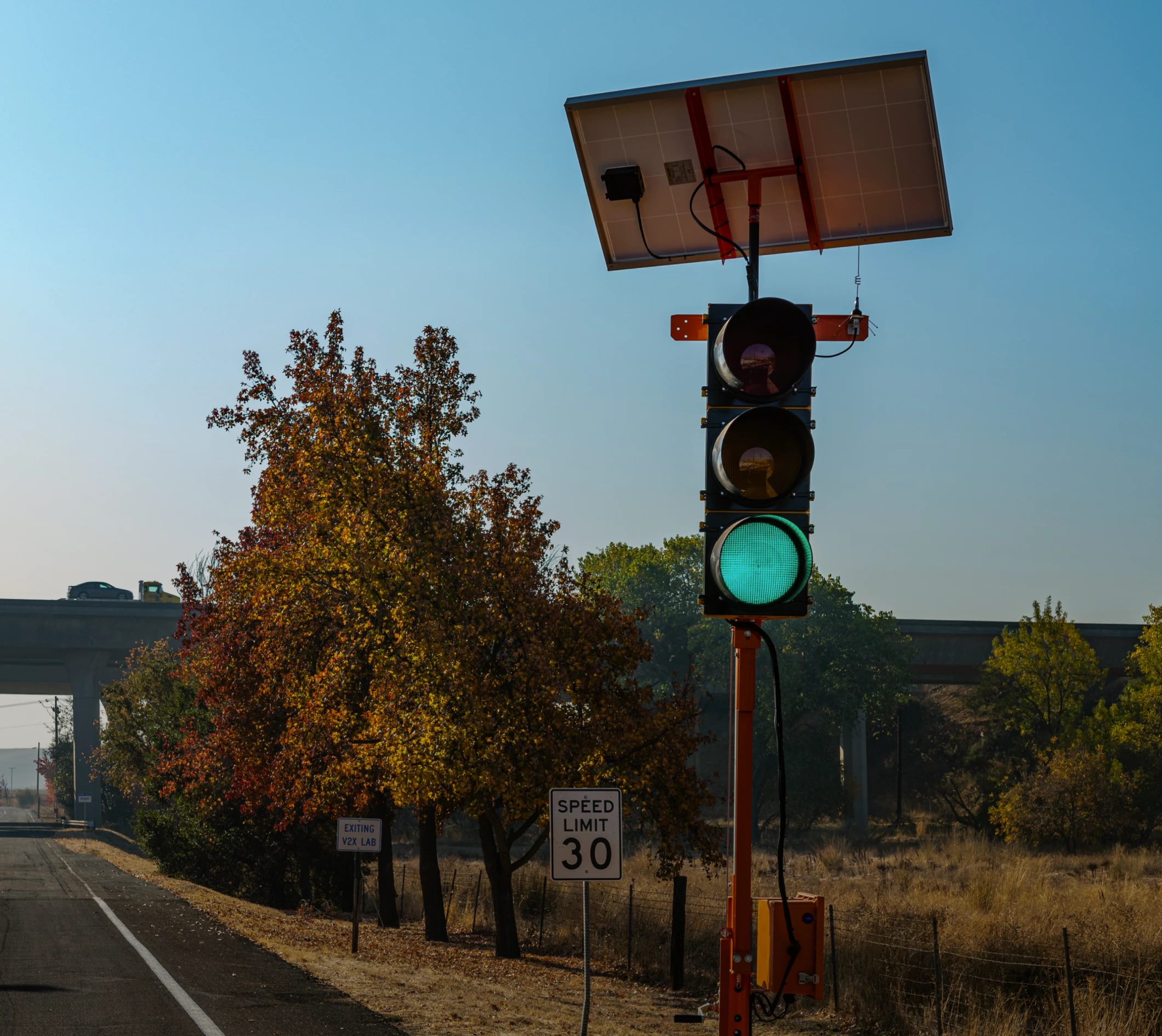
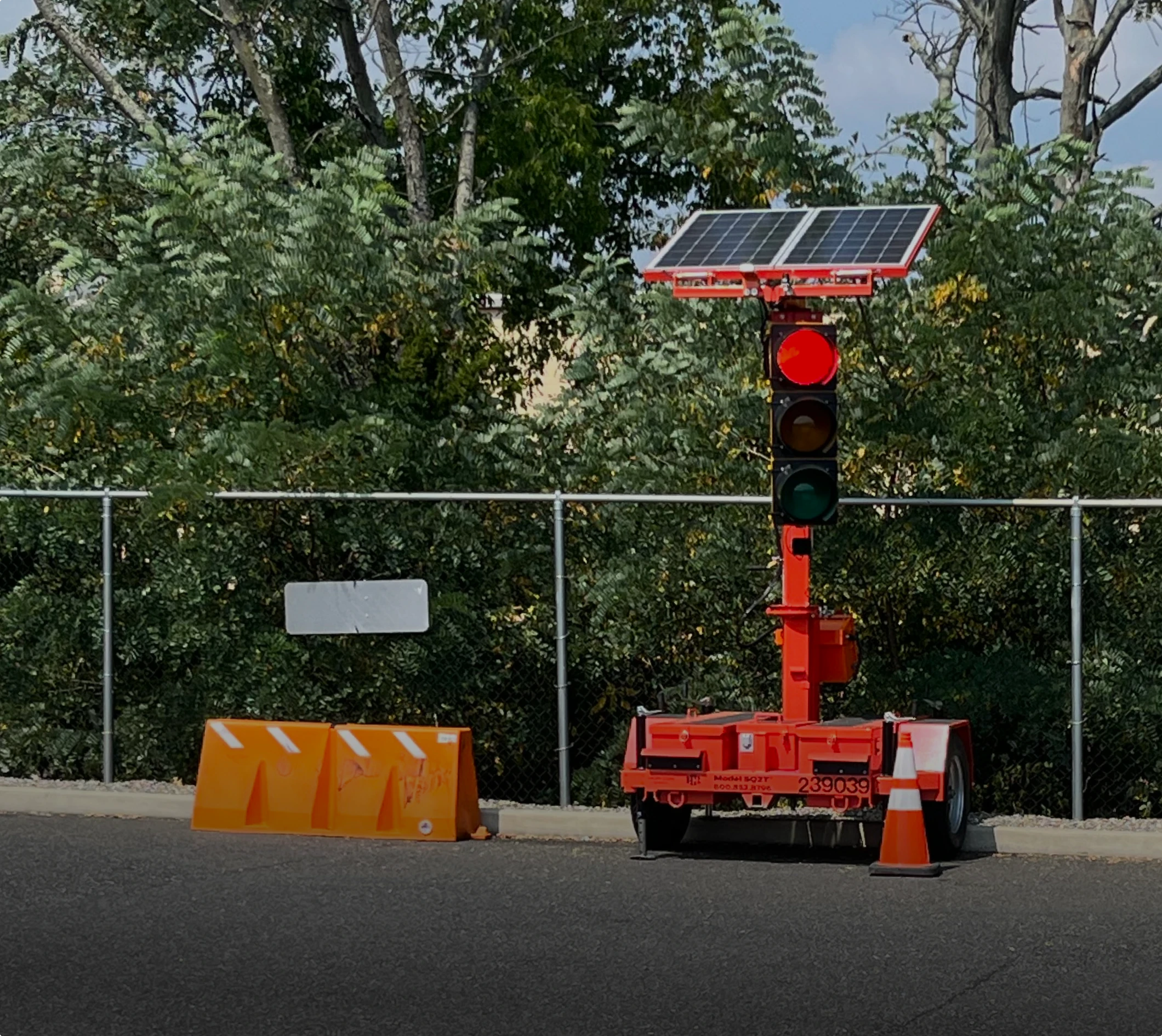
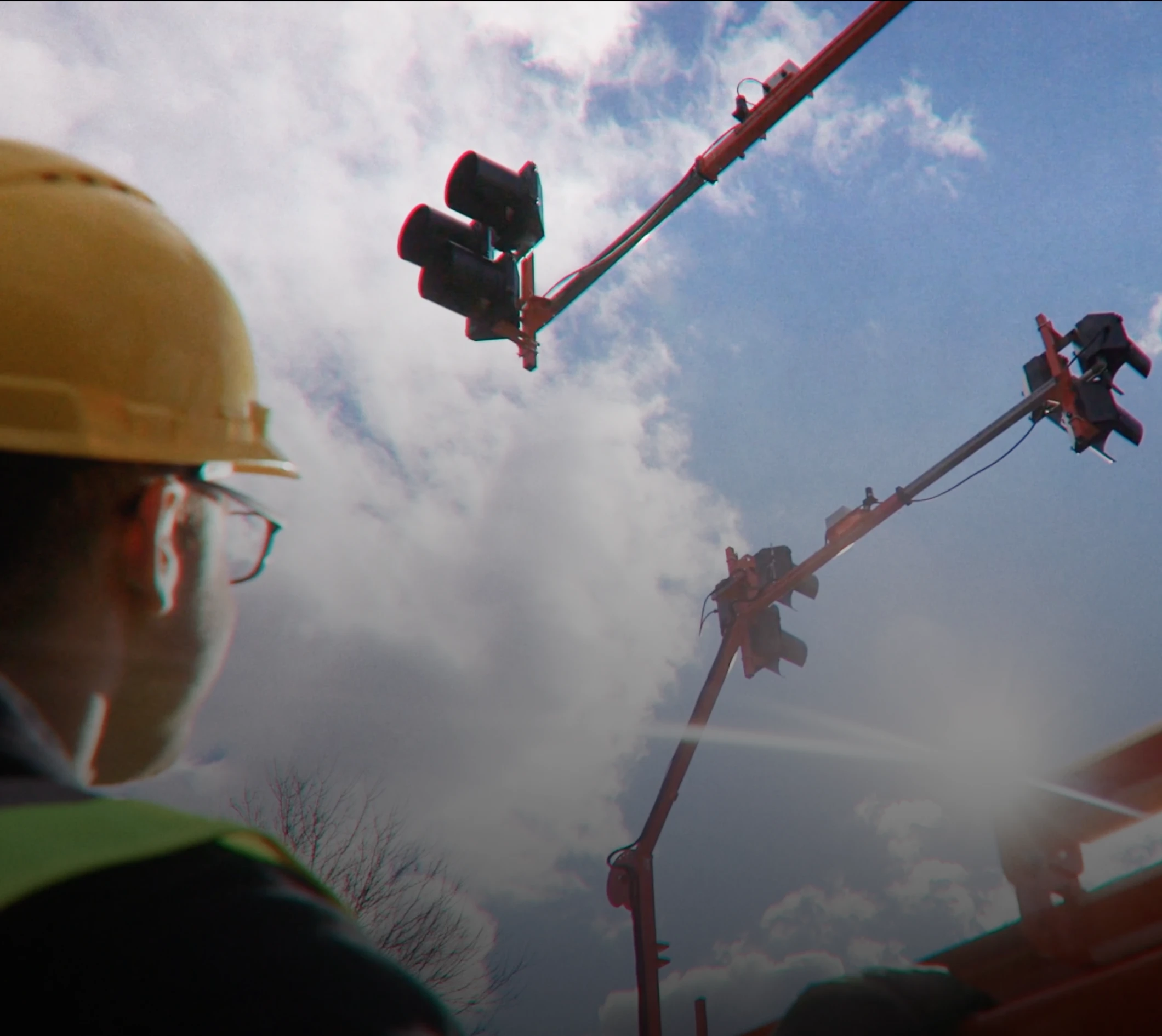

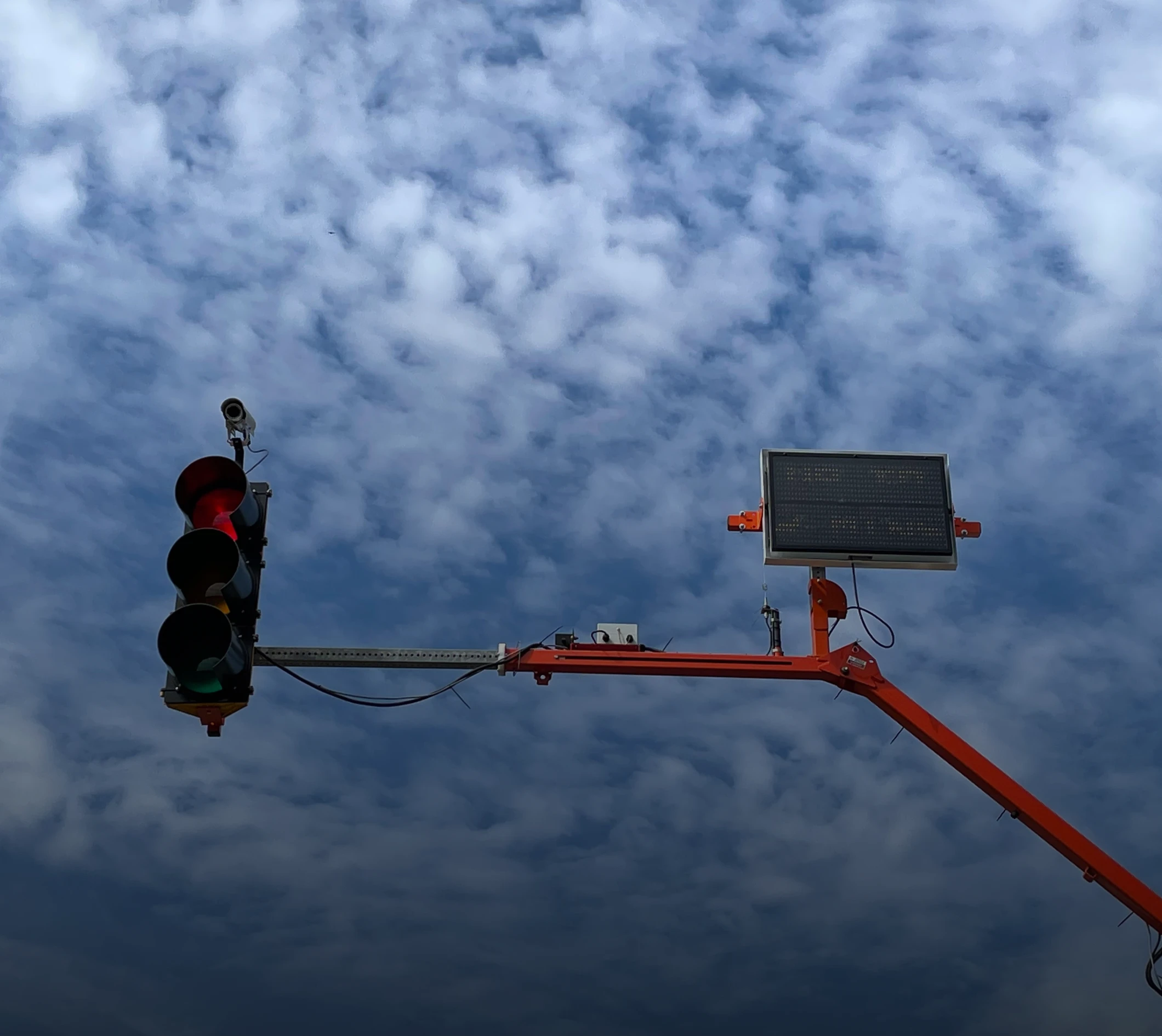



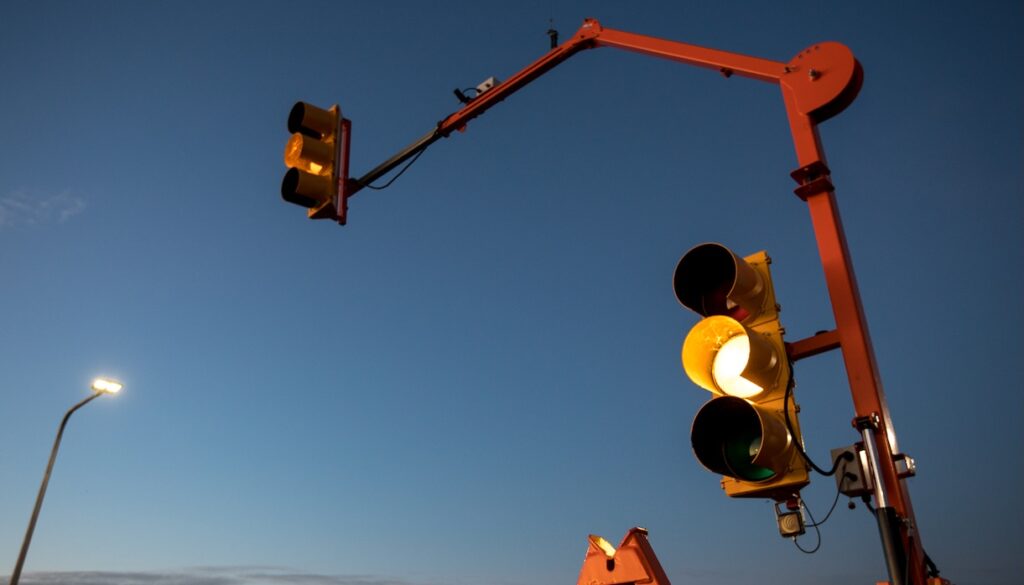
A smart traffic signal management system connects portable traffic signals to a centralized platform for remote monitoring and management. Using cloud telemetry and supported wireless communications, operators can monitor equipment conditions, receive alerts, and make remote programming adjustments. This technology helps reduce unnecessary site visits, improve response times, and minimize work zone downtime.
For contractors, state DOTs, and rental fleet managers overseeing multiple jobsites, remote visibility offers a more efficient way to manage temporary traffic control equipment.
With Horizon Signal Plus, authorized personnel can access supported monitoring and management capabilities through my.horizonsignal.com, helping them stay connected to equipment without being physically present at every location.

The Evolution of Smart Traffic Signal Management Systems
What is a smart traffic signal management system?
A smart traffic signal management system connects portable traffic signals to a remote monitoring platform. It provides visibility into equipment status, battery conditions, and operational alerts. Depending on the system’s capabilities, authorized operators can also adjust signal settings remotely, helping reduce unnecessary site visits and improve response times.
Traditional temporary traffic signal management often depends on scheduled inspections and reactive troubleshooting. When an unexpected issue occurs, crews may not become aware of it until someone visits the site or reports a problem.
Common operational challenges include:
- Declining battery voltage: Battery voltage can drop as equipment discharges, particularly during extended periods of limited solar charging. Low-voltage warning thresholds depend on the battery system and controller configuration.
- Unexpected equipment faults: Communication interruptions, controller fault codes, signal indication issues, and charging-system problems may require investigation or field troubleshooting.
- Changing traffic patterns: Traffic volumes may change throughout the day or as construction progresses, requiring adjustments to signal timing.
- Manual programming adjustments: Without remote management, technicians may need to travel to a jobsite to make routine controller adjustments.
- Managing multiple deployments: Contractors and rental fleet managers may have equipment operating across several locations, making it difficult to identify which units require immediate attention.
How Much Time Do Manual Equipment Checks Cost?
Routine equipment inspections can add up quickly when contractors manage multiple temporary traffic signals. For example, a fleet of 20 signals requiring one 30-minute inspection per week represents 10 labor hours weekly, or approximately 520 labor hours annually. That does not include additional travel time, troubleshooting, or emergency service calls.
Remote monitoring can reduce the need for some routine status-check visits by giving operators access to supported equipment information without traveling to each jobsite. Required physical inspections and maintenance remain essential, but eliminating unnecessary trips can help crews spend more time on higher-priority work.
These challenges become more significant when equipment is deployed across multiple projects or in remote areas.
Cloud-connected monitoring helps close the gap between what is happening in the field and what equipment managers can see from their offices.
Horizon Signal Plus brings remote monitoring and management capabilities to compatible Horizon Signal equipment, helping operators stay informed about signal operations and make supported adjustments without always traveling to the jobsite.
The result is a shift from relying exclusively on reactive maintenance toward more proactive work zone management.
On-Site Control and Safety: Portable Traffic Signal Control Systems
While remote connectivity provides valuable operational information, the foundation of any reliable portable traffic signal control system remains its on-site hardware.
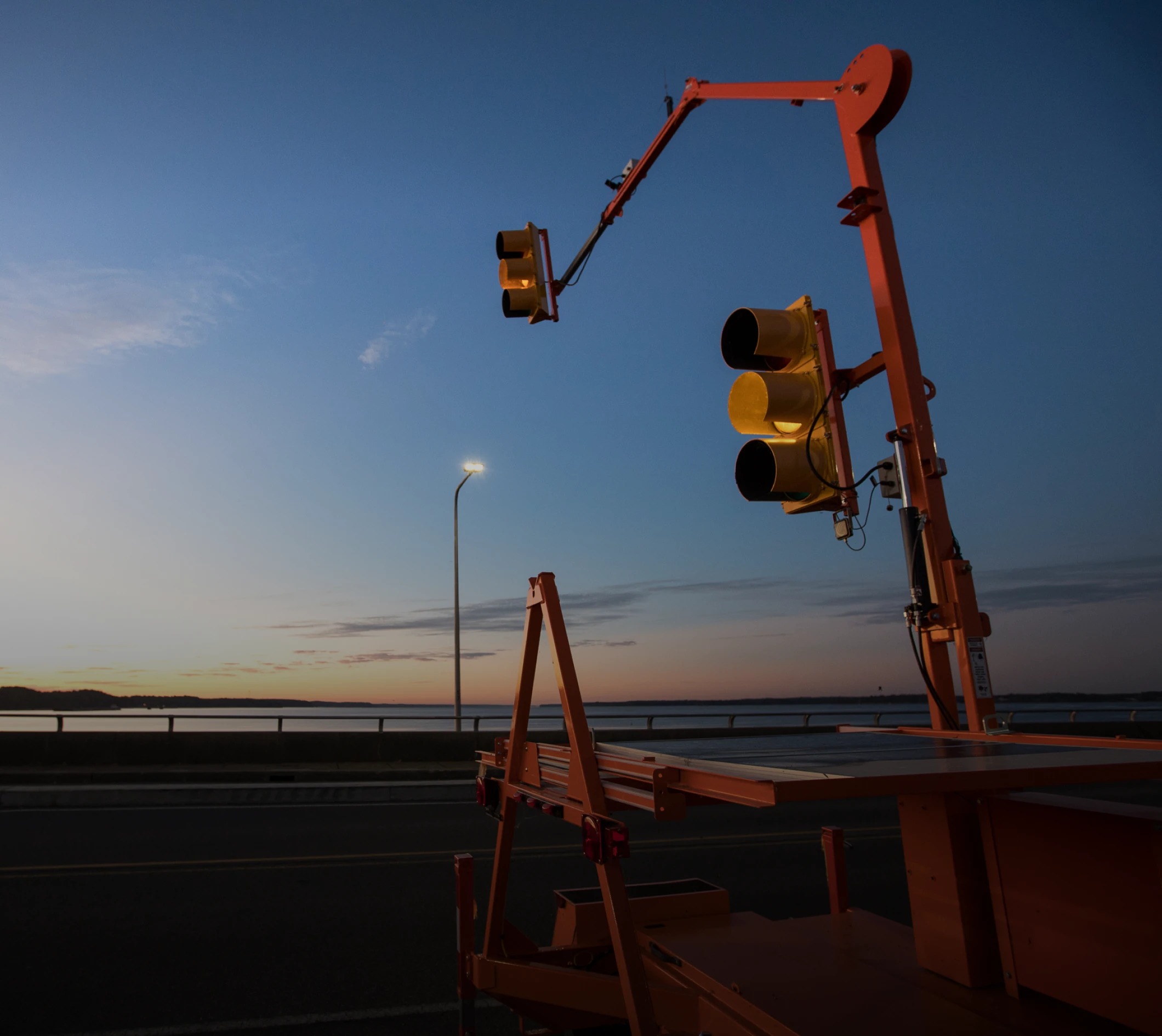
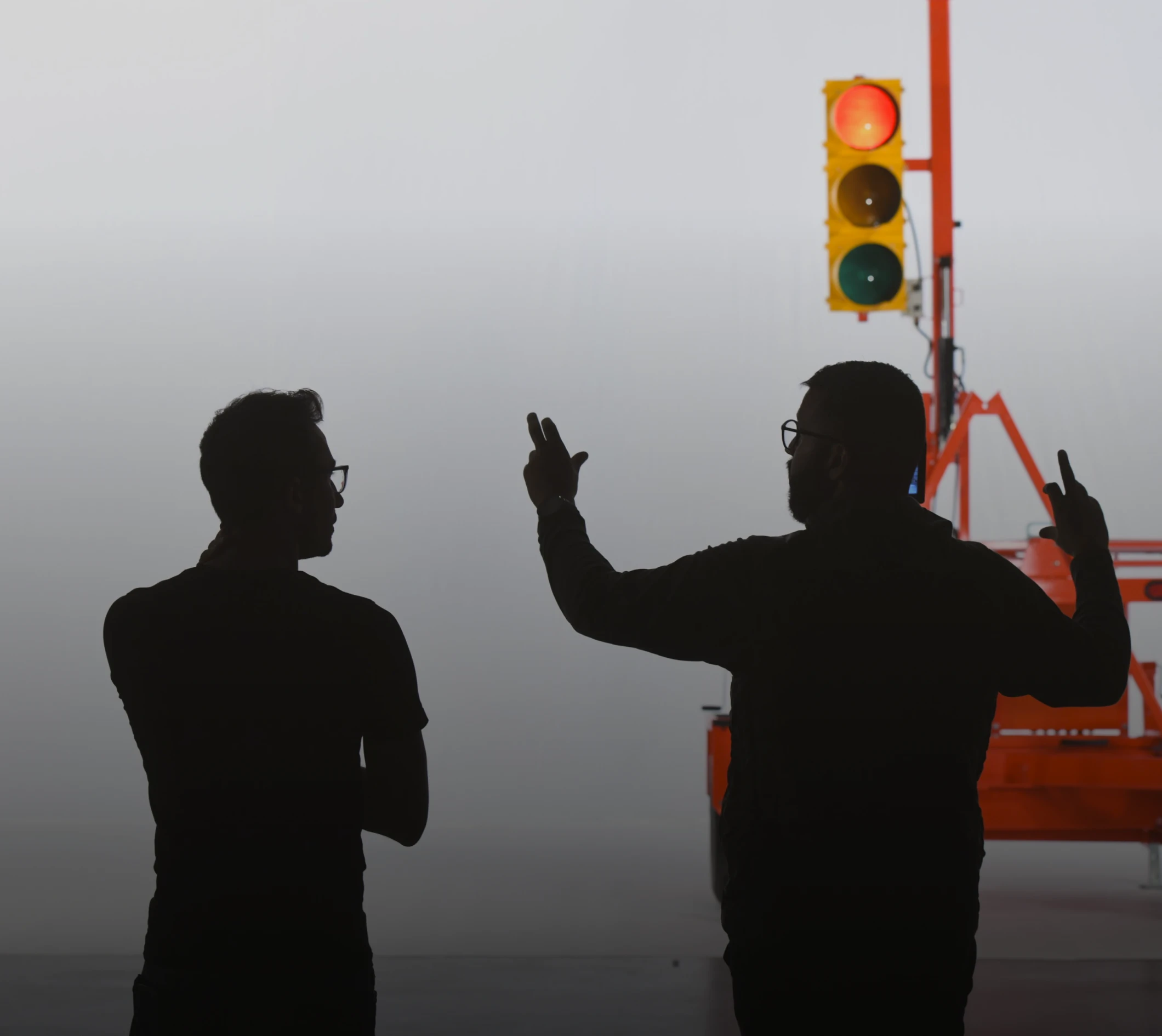
Temporary traffic signals are used to manage traffic through single-lane closures, bridge construction projects, intersection work, and other locations where normal traffic patterns are disrupted.
These applications require dependable signal sequencing, proper installation, and continuous monitoring of critical controller functions.
Live Work Zone Video Monitoring
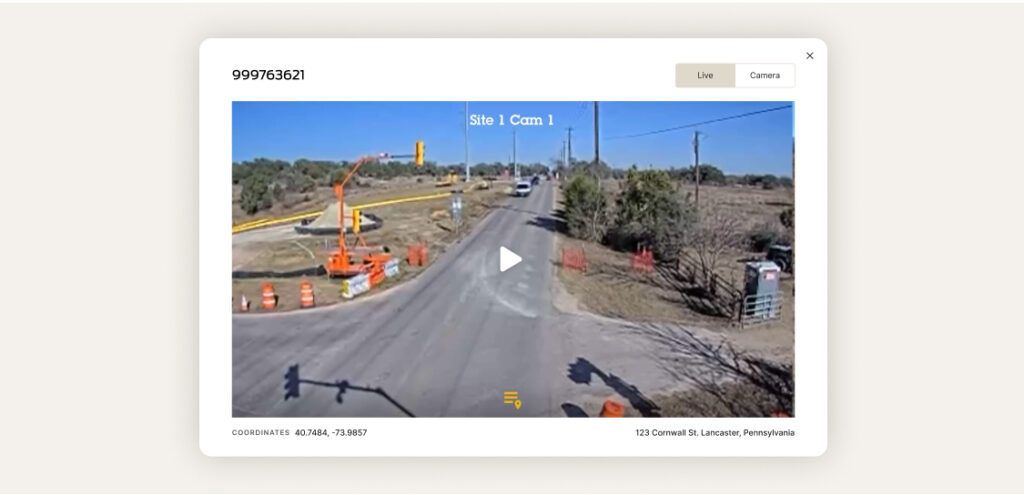
For users with the appropriate service tier and compatible equipment, Horizon Signal Plus also offers live video streaming.
This provides another way for operators to gain visibility into conditions at the work zone, complementing the platform’s monitoring and management capabilities.
The Importance of Dual-Processor Conflict Monitoring
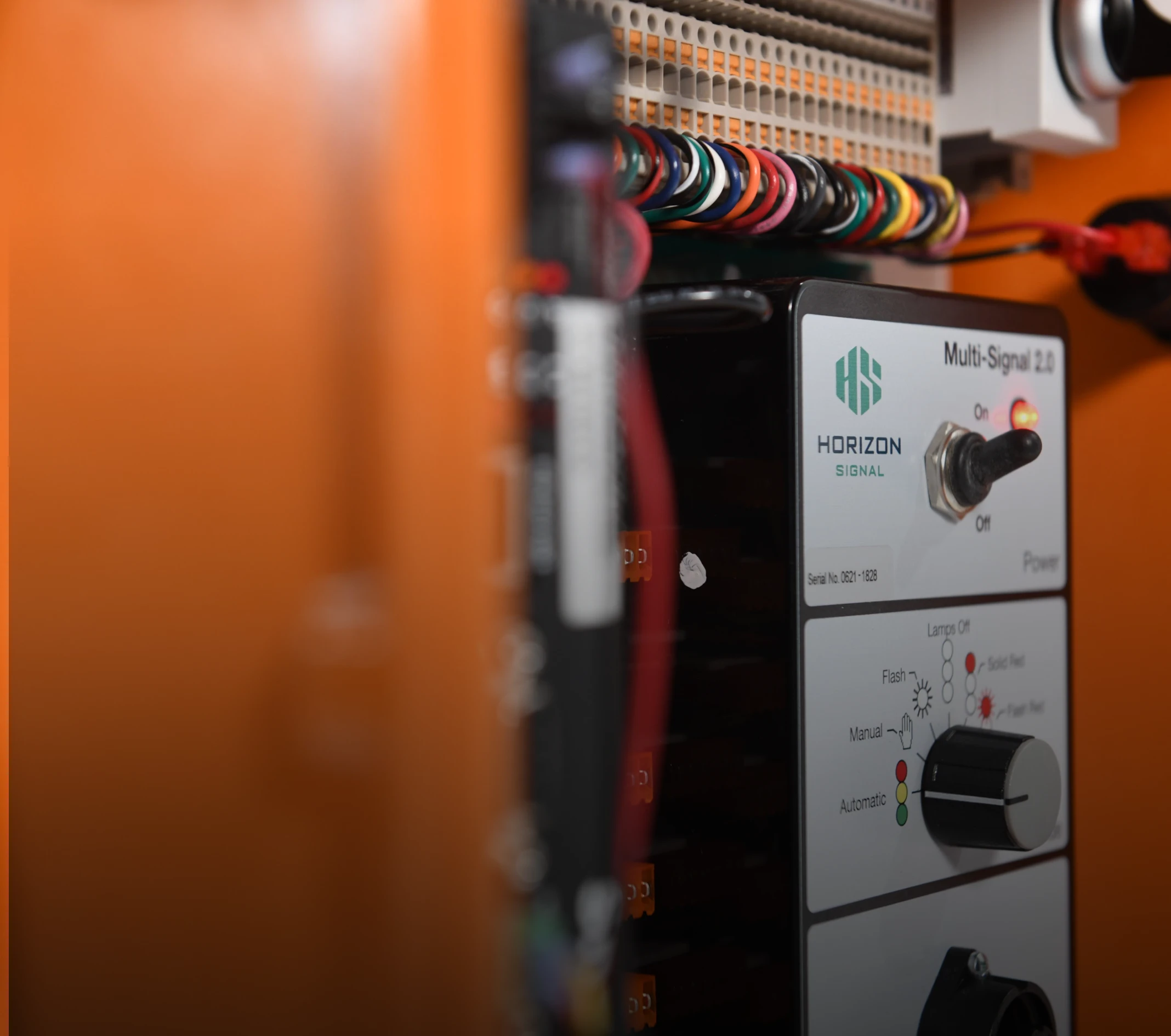
Horizon Signal’s Malfunction Management System (MMS) uses dual-processor monitoring technology to help identify conflicting signal conditions and support reliable traffic control operations.
This is particularly important in single-lane closures and multi-phase intersections, where conflicting right-of-way indications could create serious safety risks.
Critical safety monitoring occurs within the equipment itself, independently of the cloud monitoring platform. If a malfunction occurs, the system’s configured safety logic responds according to the equipment design and fault condition.
For additional information about signal placement, visibility, inspection requirements, and malfunction management, read our 2026 MUTCD Portable Traffic Signal Compliance: A Comprehensive Guide.
Understanding MUTCD Requirements
The Manual on Uniform Traffic Control Devices (MUTCD) establishes national standards for traffic control devices used on public roads.
Two important sections for temporary traffic signal applications are:
- MUTCD Part 4: Addresses highway traffic signals, including applicable signal operation and control requirements.
- MUTCD Part 6: Addresses temporary traffic control, including work zone applications and the use of temporary traffic control devices.
For contractors and transportation agencies, compliance involves more than selecting equipment with advanced technology. Proper signal placement, timing, visibility, operation, and maintenance remain essential.
Remote monitoring can support these responsibilities, but it does not replace the need for proper engineering, field inspections, or adherence to applicable MUTCD requirements.
For a more detailed breakdown of portable traffic signal requirements, read our 2026 MUTCD Portable Traffic Signal Compliance Guide.
Real-Time Telemetry: Traffic Signal Monitoring Systems in Action
One of the most valuable developments in modern temporary traffic control is the ability to access equipment information without physically visiting each location.
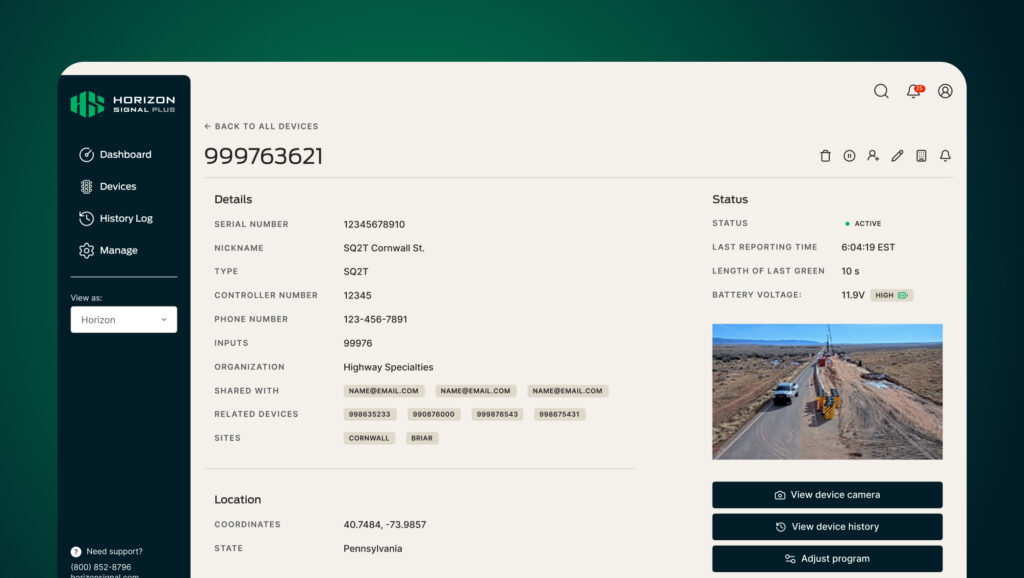
A traffic signal monitoring system connects supported field equipment to a centralized platform, giving operators greater visibility into signal operations.
With Horizon Signal Plus, authorized users can access supported monitoring and management functions through the my.horizonsignal.com platform.
Remote Visibility Into Signal Operations
Remote monitoring helps operators better understand equipment conditions across their deployments.
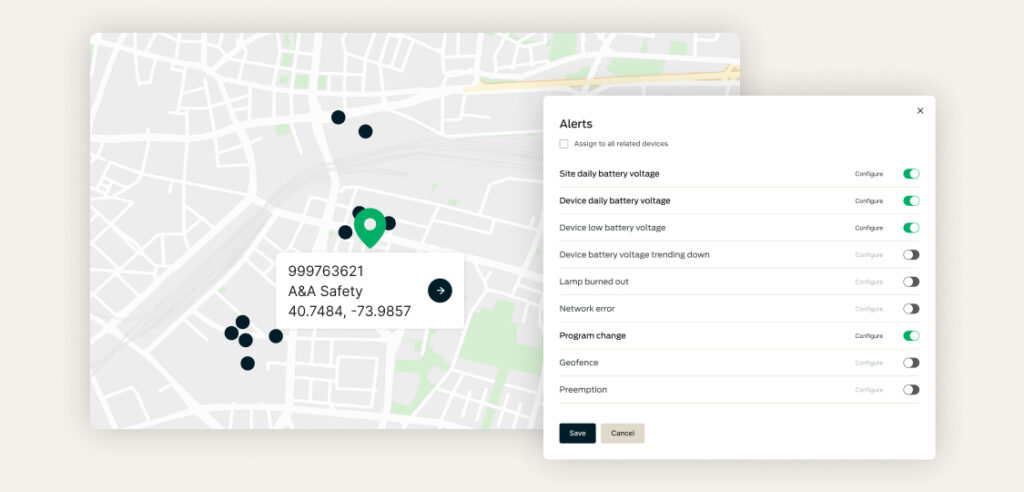
Depending on the equipment configuration and service tier, available capabilities may include:
- Monitoring signal operational information.
- Viewing battery voltage conditions.
- Receiving equipment alerts and notifications.
- Accessing supported remote programming functions.
- Managing compatible equipment through a centralized interface.
This visibility is especially useful for rental fleet managers and contractors responsible for equipment deployed across multiple jobsites.
Instead of treating every location as an isolated operation, personnel can review available information through one platform.
Proactive Alerts and Faster Response
Unexpected equipment issues can interrupt traffic control operations and require immediate attention.
Remote alerts help reduce the time between an issue being detected and the responsible personnel becoming aware of it.
For example, a low-battery notification can prompt a technician to investigate the cause before a loss of power occurs.
Depending on the equipment and subscription configuration, Horizon Signal Plus can deliver supported notifications through text messages or email.
Although not every problem can be resolved remotely, earlier notification allows teams to prioritize service needs and prepare before traveling to the site.
Remote Programming and Signal Adjustments
Traffic conditions can change as construction progresses.
A single-lane closure may experience different traffic volumes during morning commutes, afternoon peaks, or changing project phases.
Traditionally, making signal timing adjustments may require a technician to travel to the location and access the controller.
With supported Horizon Signal Plus remote management capabilities, authorized personnel can make available programming adjustments without being physically present at the equipment.
This can reduce travel time and make routine operational changes more efficient.
Remote programming should always follow approved traffic control plans, applicable requirements, and established authorization procedures.
Smart Work Zone Management and Horizon Signal Support
The value of smart traffic signal technology extends beyond monitoring an individual signal.
For transportation agencies and contractors managing multiple work zones, access to operational information can improve coordination, maintenance planning, and equipment management.
Supporting Smarter Work Zone Operations
Smart work zone management uses technology and operational data to improve awareness of changing roadway conditions.
Connected temporary traffic signals can contribute to this approach by providing information about equipment status and supporting faster responses to operational issues.
For example, a contractor managing several bridge projects may use remote monitoring to identify which signals require attention, helping maintenance crews prioritize their work.
Similarly, rental fleet managers can use available operational information to improve equipment oversight across multiple customer deployments.
Remote monitoring does not automatically create a fully integrated DOT smart work zone network. However, it provides an important building block for more connected traffic control operations.
The Value of Factory-Direct Horizon Signal Support
Technology is only one part of maintaining dependable work zone operations.
Equipment configuration, troubleshooting, training, and access to knowledgeable technical personnel also play important roles in reducing unnecessary downtime.
Horizon Signal support combines manufacturer knowledge with technical assistance to help customers operate and maintain their equipment.
For contractors and fleet managers, working directly with the equipment manufacturer can simplify troubleshooting and provide access to personnel familiar with the system’s hardware and software.
Combined with Horizon Signal Plus, this support helps customers take a more proactive approach to temporary traffic signal management.
Moving Toward More Connected Work Zones
Smart traffic signal management is not about replacing field crews or eliminating essential inspections.
It is about giving the people responsible for work zone operations better information and greater control over the equipment they manage.
By combining reliable on-site conflict monitoring with remote visibility, alerts, and supported programming capabilities, contractors and transportation agencies can reduce unnecessary site visits, improve response times, and better manage their temporary traffic signal fleets.
Explore Horizon Signal Plus to learn how remote monitoring and management can support your next work zone project.