







01 / 03
02 / 03

03 / 03
NEMA Publishes Updated Standard for Portable Traffic Signal Systems: TS 40005
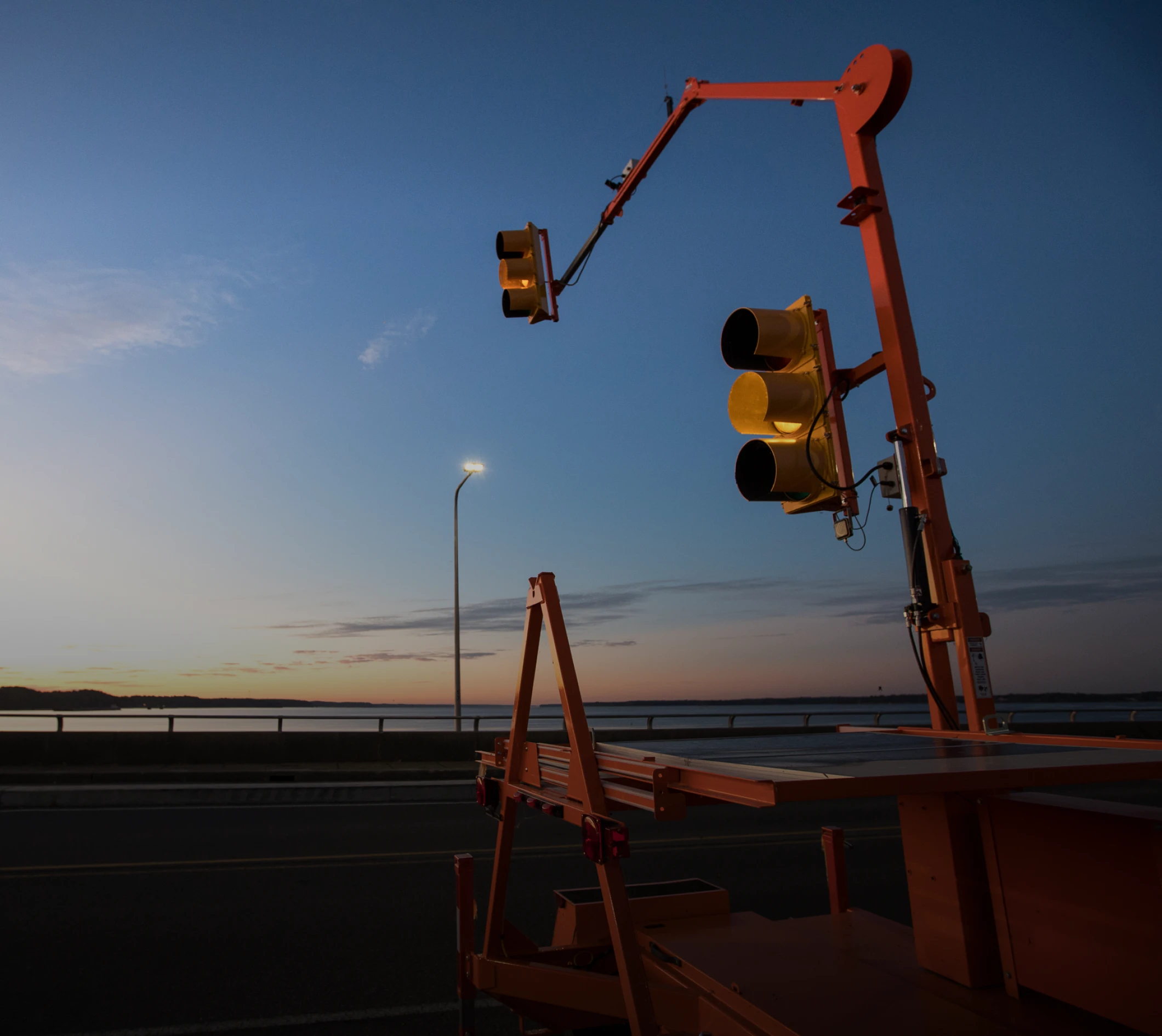
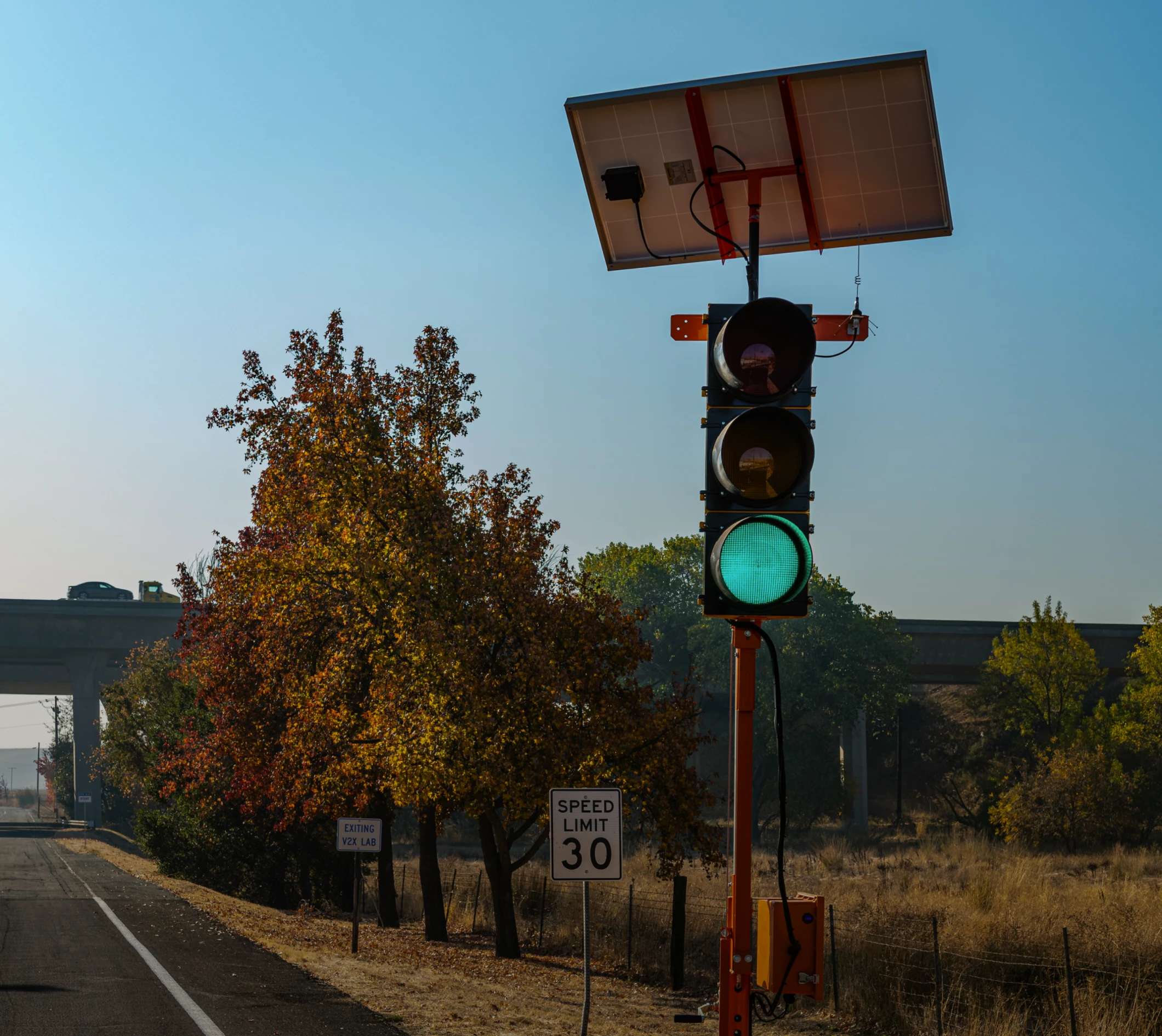
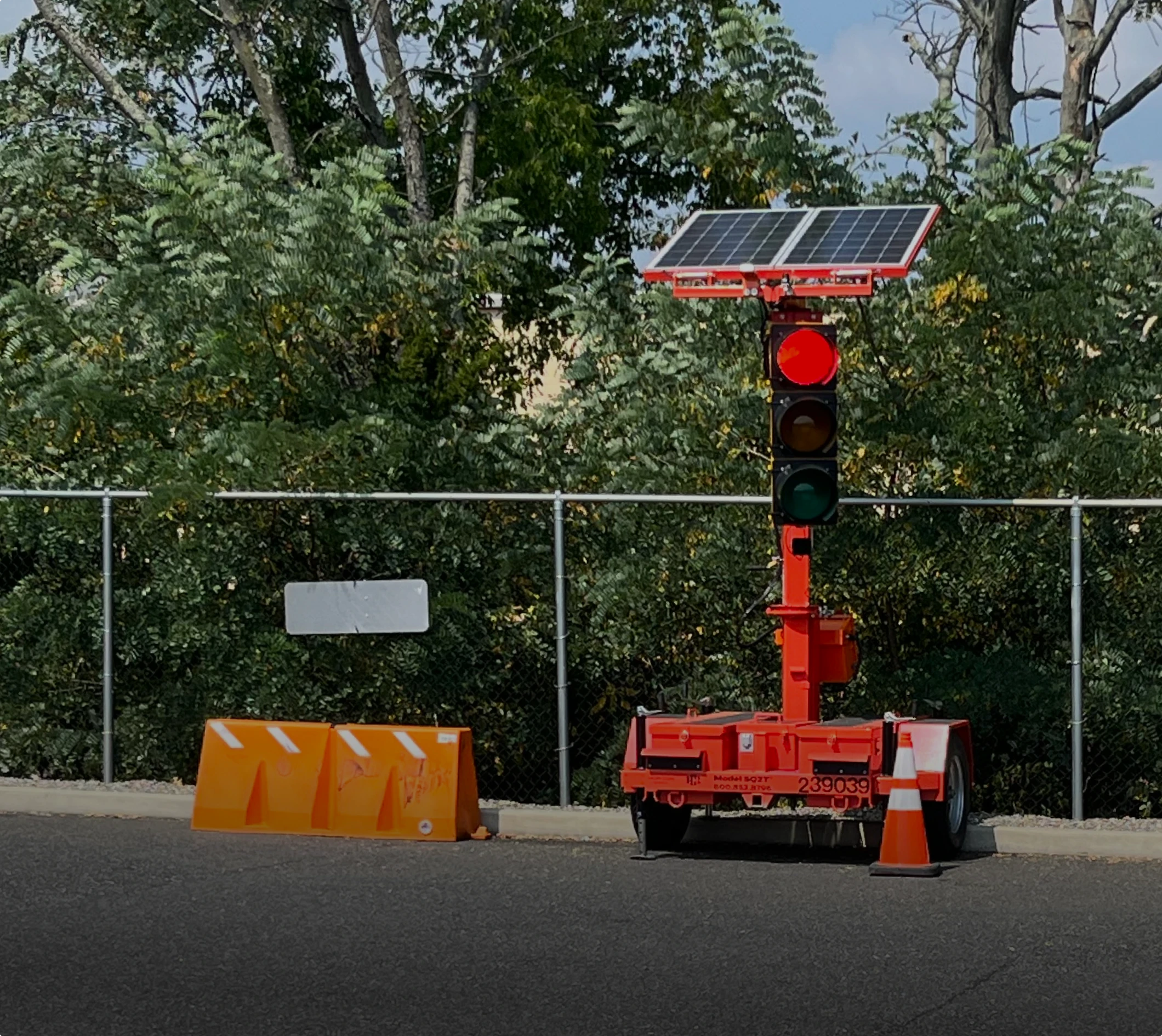
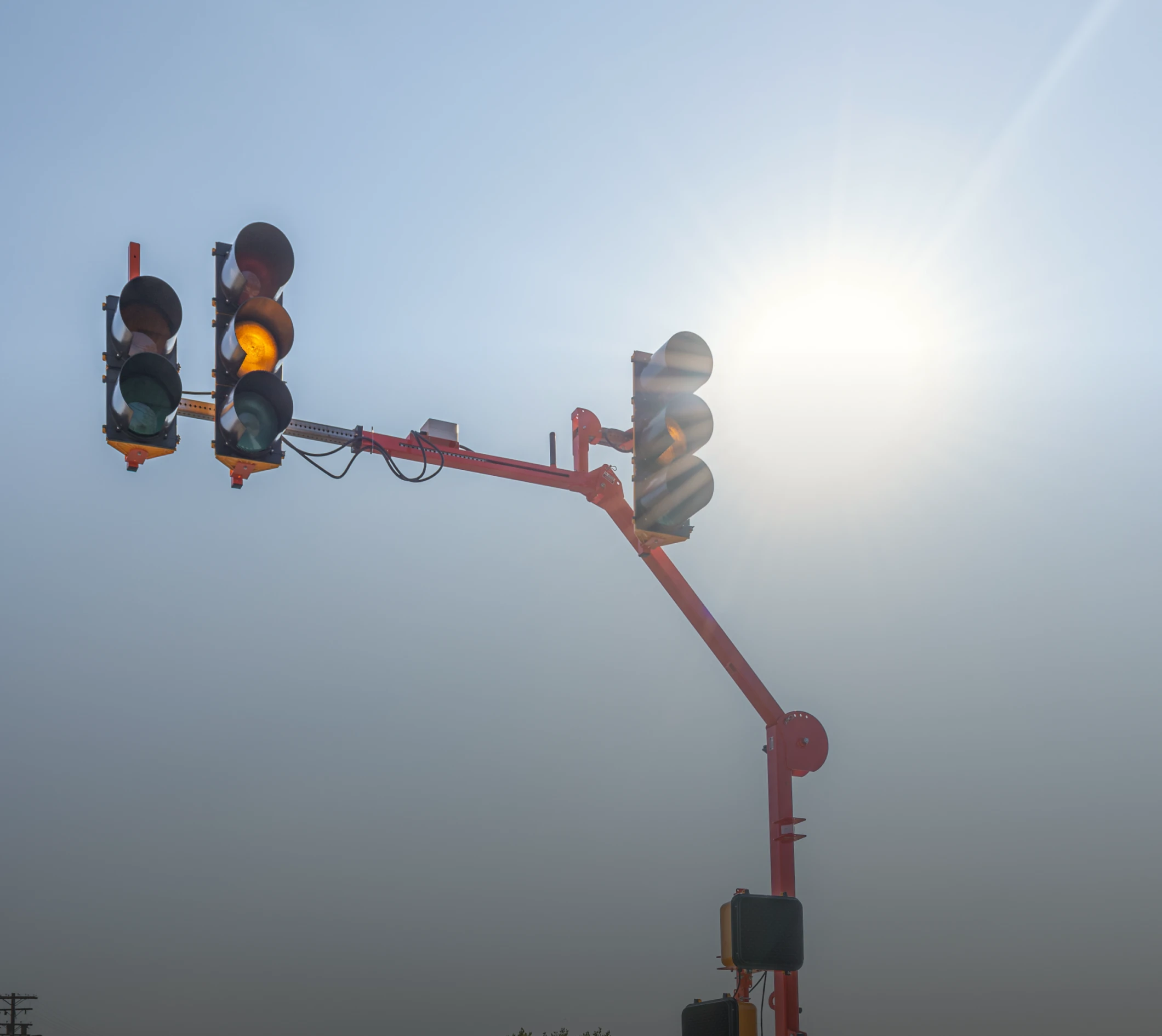
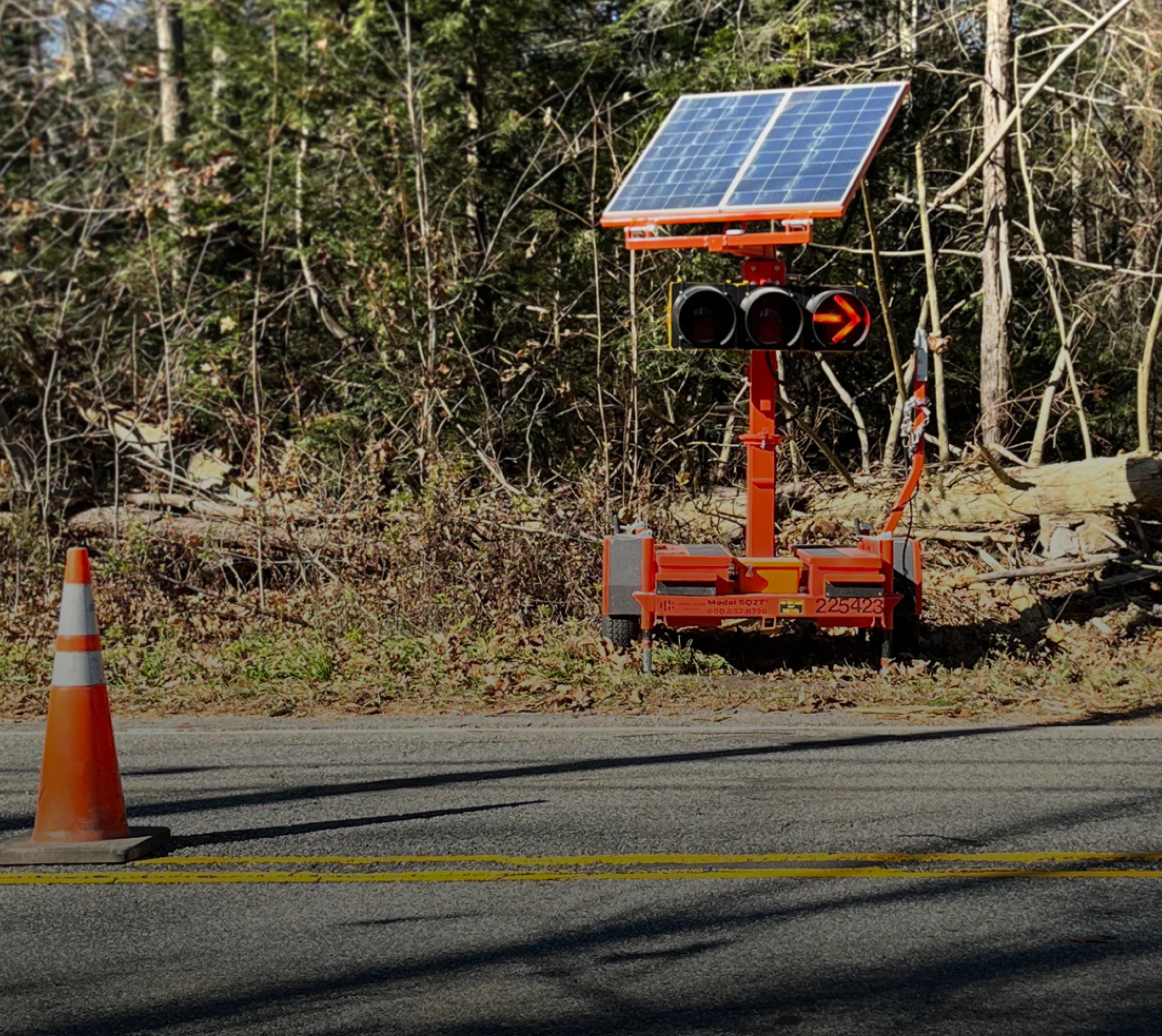
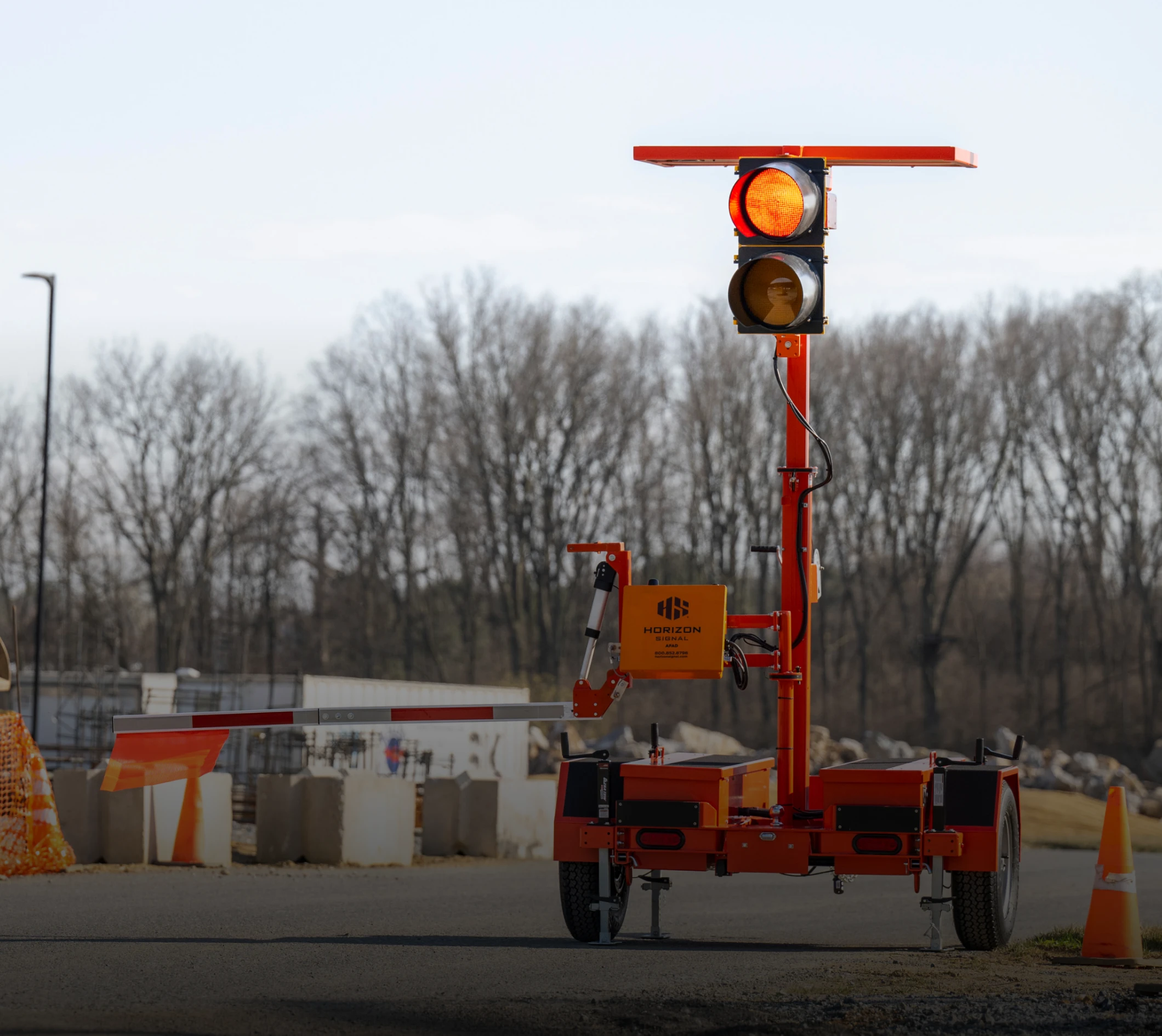
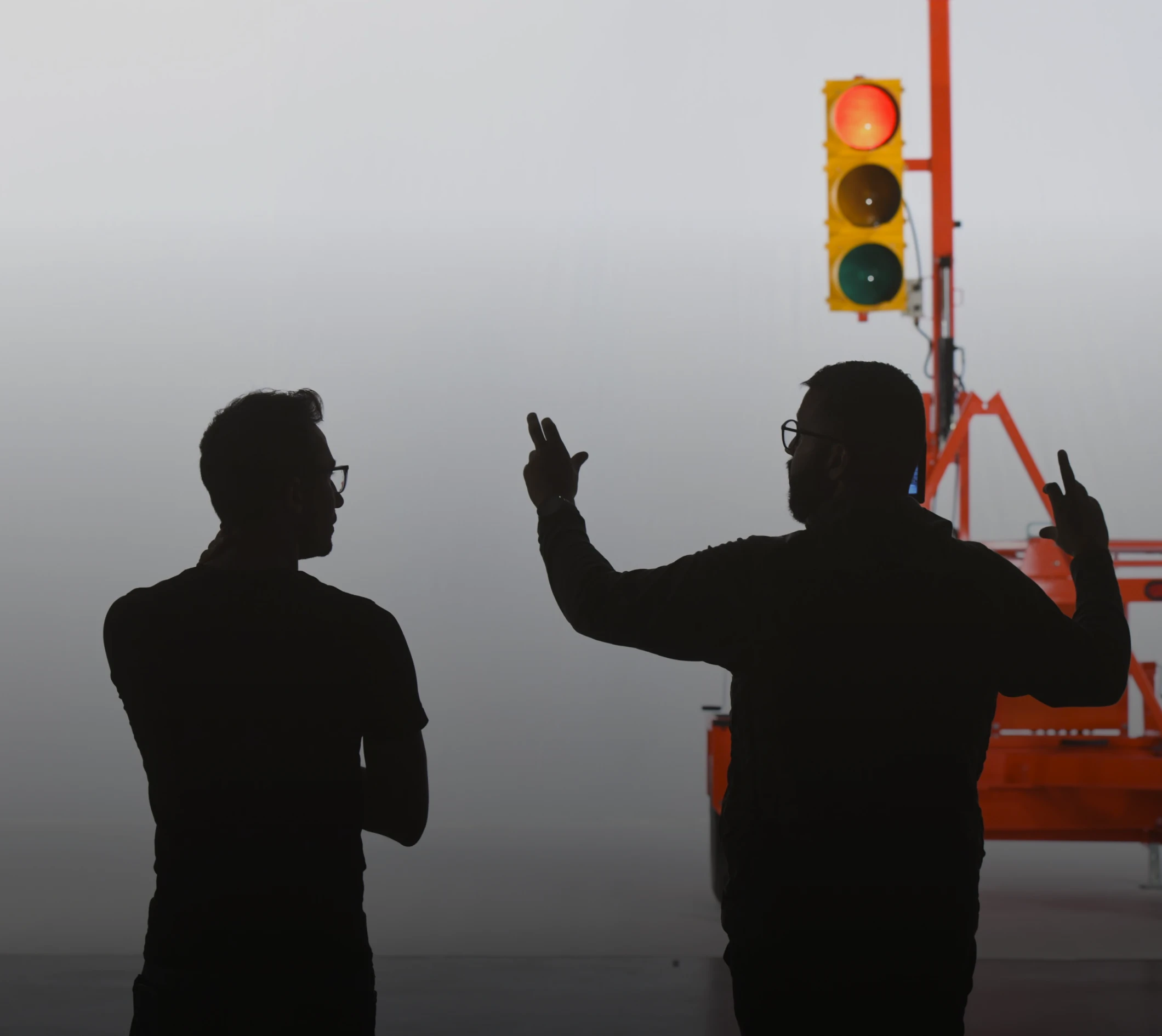
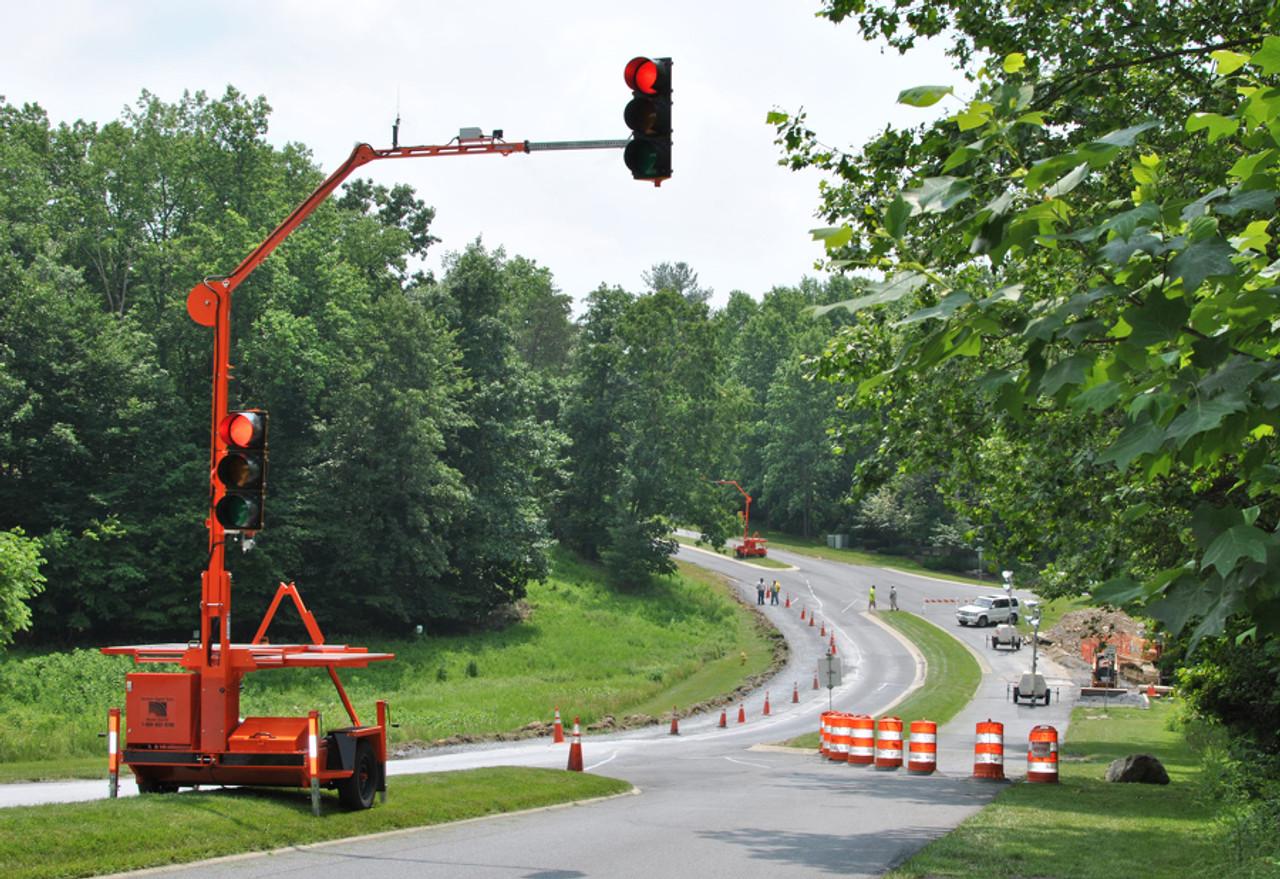
The newly published NEMA TS 40005 standard replaces the former NEMA TS-5 framework, modernizing regulations for Portable Traffic Signal Systems (PTSS). The 2026 revision introduces Type 3 Residential Driveway Temporary Signals (RDTS) and formalizes industry guidelines for wireless remote programming capabilities. These updates provide State DOTs and contractors with clearer procurement specifications to improve work zone safety and system interoperability.
For many State DOTs and public agencies throughout North America, this standard serves as a foundational specification for Portable Traffic Signal Systems used in temporary traffic control applications.
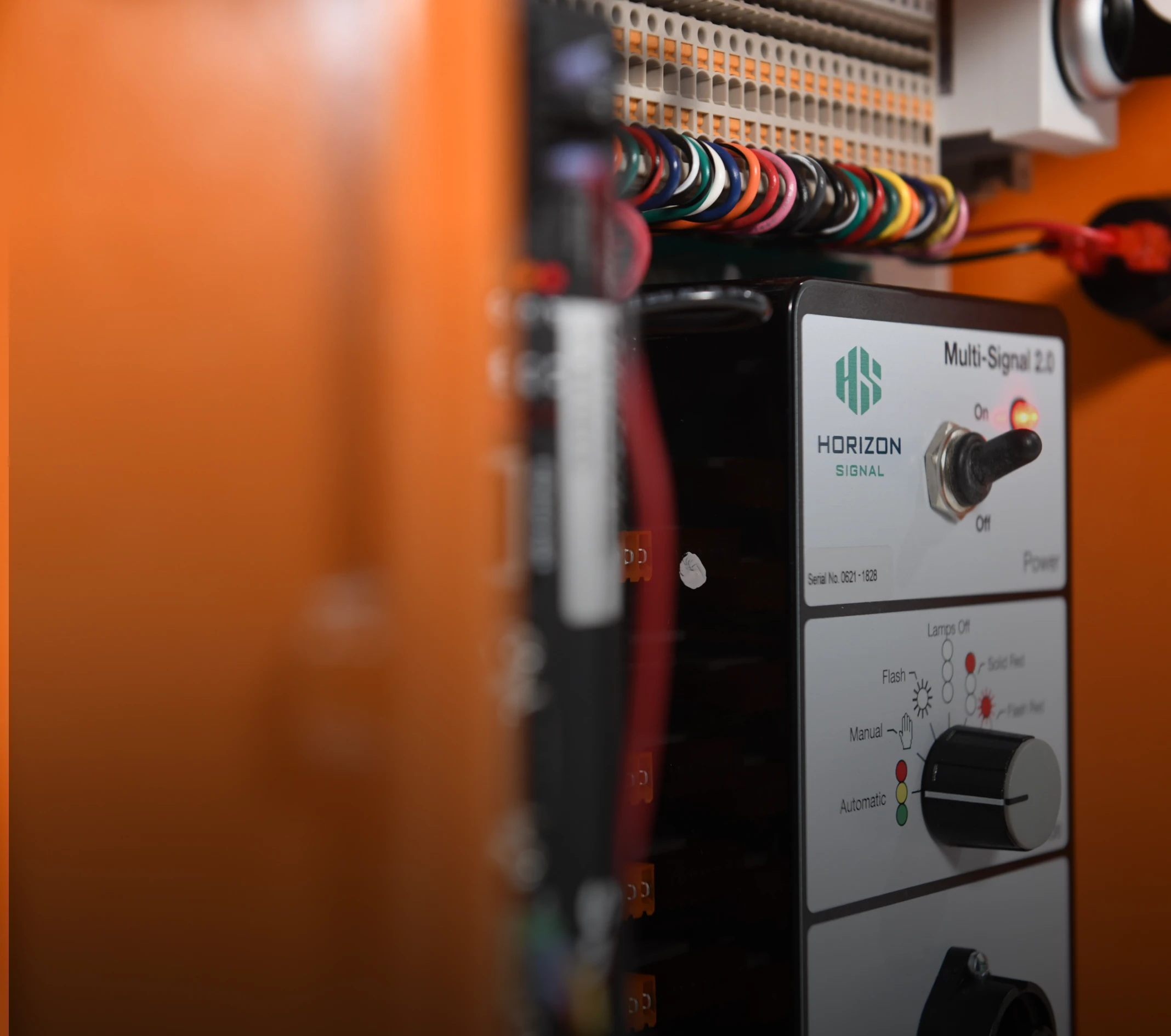
As an active participant in the development and maintenance of this industry standard for more than a decade, Horizon Signal proudly supports these critical advancements in safety, consistency, and innovation within the temporary traffic control industry.
.
What’s New in the 2026 Revision
One of the most significant additions to the 2026 revision is the introduction of specifications for Residential Driveway Temporary Signals (RDTS). These systems are now formally recognized within the standard as a Type 3 Portable Traffic Signal (PTS).
As work zones become increasingly complex — particularly in residential and urban environments — maintaining safe and efficient access to driveways and local properties has become more important than ever. The inclusion of RDTS within the standard helps establish clearer expectations for the design, operation, and application of these specialized systems.
The updated revision also expands language related to Remote Programming capabilities for Portable Traffic Signal Systems. As wireless communications and connected technologies continue to evolve, remote access and programming have become increasingly common features within modern PTS deployments.
By incorporating expanded guidance for remote programming, the updated standard better reflects the realities of today’s temporary traffic control industry while helping agencies and contractors deploy systems more efficiently and consistently.
Why These Updates Matter
The 2026 revision represents an important step toward modernizing the standard and aligning it with current industry practices and technologies.
Portable Traffic Signal Systems have evolved significantly over the past decade. Today’s systems offer enhanced communication capabilities, more sophisticated programming options, and expanded applications beyond traditional one-lane, two-way traffic control.
By updating the standard to address these advancements, NEMA TS 40005 helps:
- Provide agencies with clearer and more relevant procurement specifications
- Improve consistency across manufacturers and deployments
- Support safer and more efficient temporary traffic control operations
- Encourage interoperability and modern system capabilities
- Reflect the growing role of connected and remotely managed technologies in work zones
Supporting Safer and Smarter Work Zones
Industry standards play an important role in ensuring consistency, reliability, and safety across temporary traffic control applications. The publication of NEMA TS 40005 reflects the continued collaboration between manufacturers, agencies, and industry professionals working to advance Portable Traffic Signal technology.
Horizon Signal remains committed to supporting industry standards and delivering solutions that meet the evolving needs of contractors, agencies, and roadway users alike.
Next Steps: Purchase the Official Standard: Get your copy of the updated framework directly from the https://www.makeitelectric.store/us/view-details/portable-traffic-signal-systems-ptss-standard-2026